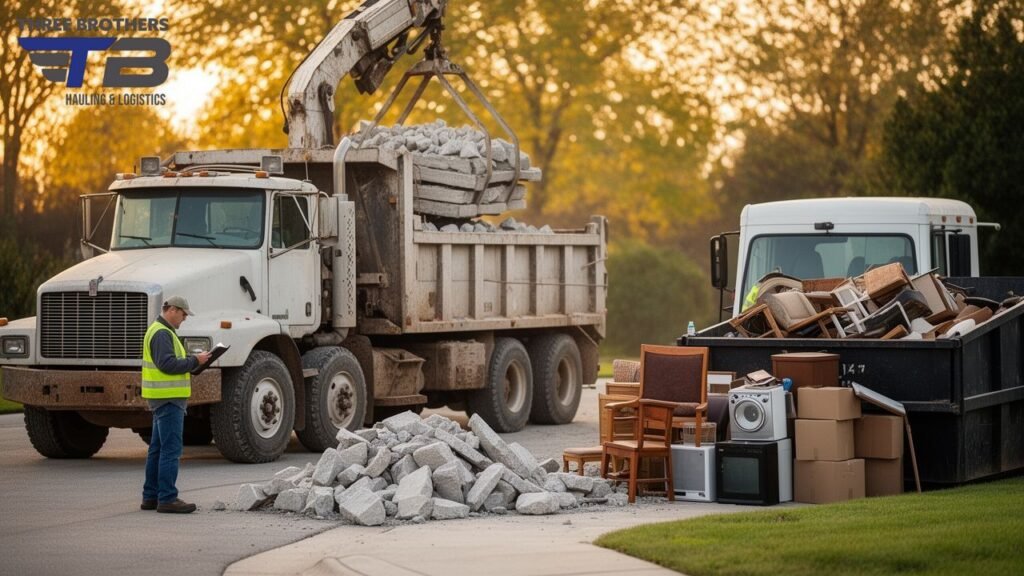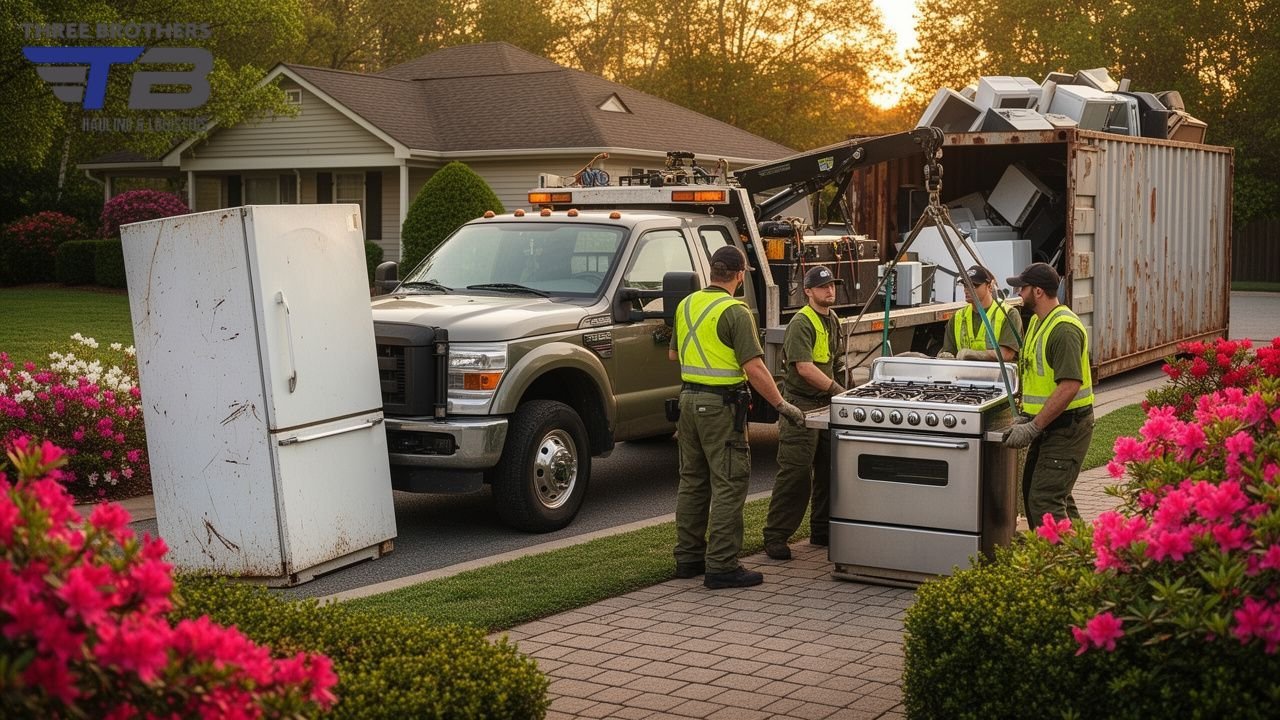
Professional appliance removal in Raleigh, NC, involves the safe extraction, transportation, and ethical disposal of heavy household machinery. Local services focus on moving bulky items like refrigerators, stoves, and washing machines from residential or commercial properties to designated recycling facilities or donation centers. Expert haulers utilize specialized equipment to prevent property damage and ensure that hazardous materials, such as refrigerants, are handled according to state and federal environmental laws.
Determining which providers offer appliance removal in Raleigh, NC requires identifying teams with the proper insurance and heavy-lifting experience. Most standard trash services do not accept large appliances due to their size and the presence of recyclable metals. Professional appliance movers in Raleigh, NC, bridge this gap by providing labor and logistics to clear out old units quickly. This guide offers the necessary information for managing appliance disposal while adhering to North Carolina safety and environmental standards.
The Logistics of Refrigerator Removal in Raleigh
Moving a refrigerator is one of the most physically demanding tasks in residential hauling. These units often weigh between 200 and 400 pounds and contain delicate cooling systems. Modern refrigerator removal Raleigh services prioritize the careful extraction of these units to avoid scratching hardwood floors or denting door frames.
A major technical aspect of this process involves the management of refrigerants. Older units often contain chlorofluorocarbons (CFCs) or hydrofluorocarbons (HFCs), which are potent greenhouse gases. Professional haulers ensure that these units reach facilities capable of recovering these chemicals safely.
Bonus Tip: Prepare Your Unit
Before the haulers arrive, defrost the freezer for at least 24 hours. This prevents water from leaking onto your floors during the removal process and reduces the weight of the unit by removing ice buildup.
Stove Removal Raleigh, NC and Cary, NC
Stoves and ranges present different challenges than cooling units. While they do not contain refrigerants, they are heavy and often connected to utility lines that require careful handling. For stove removal in Raleigh, NC, the process begins with ensuring all power and gas connections are safely terminated.
In neighboring areas, stove removal in Cary, NC, follows similar safety protocols. Whether the unit is a slide-in electric range or a heavy professional-grade gas stove, the removal team must use appliance dollies with non-marring wheels. This is especially important in newer homes where kitchen flooring is sensitive to heavy pressure.
Technical Specifications for Common Appliances
The following table outlines the physical demands and typical disposal paths for common household appliances found in North Carolina homes.
| Appliance Type | Average Weight (lbs) | Primary Material | Disposal Difficulty |
|---|---|---|---|
| Standard Refrigerator | 250 – 350 | Steel / Plastic | High (Chemicals) |
| Gas or Electric Stove | 150 – 200 | Steel / Ceramic | Medium (Weight) |
| Washing Machine | 180 – 230 | Steel / Concrete | High (Bulk) |
| Clothes Dryer | 100 – 150 | Steel | Medium (Venting) |
| Built-in Dishwasher | 75 – 100 | Plastic / Steel | Medium (Plumbing) |
Eco-Conscious Junk Removal Solutions for Appliances
Disposing of appliances is not just about clearing space; it is about following environmental mandates. North Carolina has specific regulations regarding “white goods,” which include refrigerators, ranges, water heaters, and washers. Data provided by the North Carolina Department of Environmental Quality shows that state law actually bans these items from landfills.
Because appliances are primarily made of steel, they are highly recyclable. Eco-conscious junk removal solutions for appliances focus on “de-manufacturing” the units. This involves stripping the appliance down to its base components. The steel is melted down for new products, while plastic and glass are separated for further processing.
Bonus Tip: Check for Working Units
If an appliance still functions, consider looking for local charities. Many organizations in Wake County accept working stoves and refrigerators to provide to families in need. This is the most eco-friendly form of recycling.
Factors to Consider Before Choosing Appliance Movers Raleigh, NC
Selecting the right team for the job involves more than just finding the lowest price. Safety and liability are the primary concerns when moving heavy objects through a home.
Property Protection Measures
Professional appliance movers use floor runners and moving blankets. These tools are essential for protecting the interior of a home. Without them, the heavy feet of a washing machine or the sharp edges of a stove can cause permanent damage to tile or wood.
Specialized Equipment
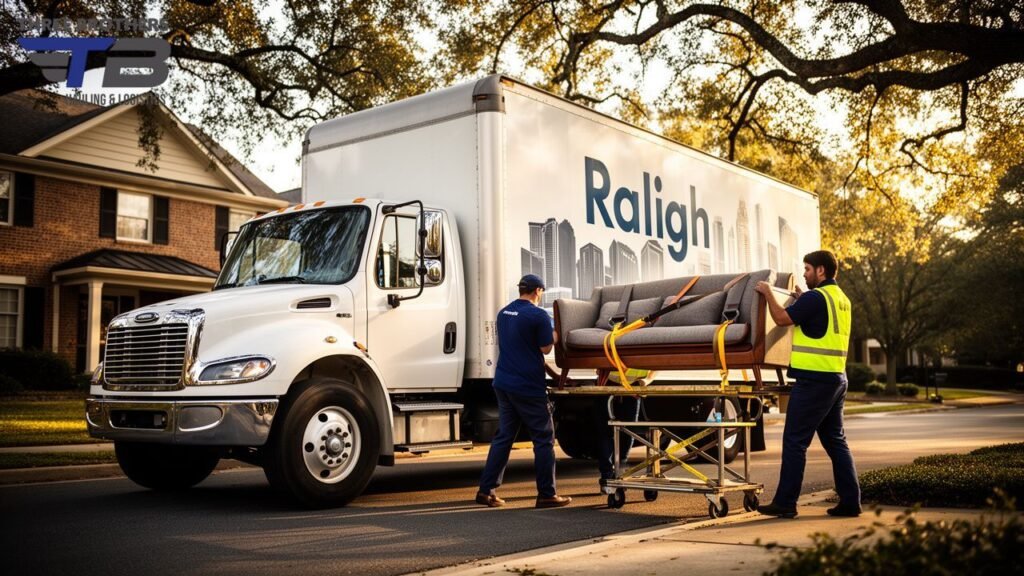
Generic moving help might only bring a basic hand truck. Specialized appliance movers in Raleigh, NC, use heavy-duty appliance dollies with straps and stair-climbing tracks. This equipment allows a two-person team to move a 400-pound refrigerator down a flight of stairs without risking injury or property damage.
Insurance and Licensing
Verify that the service provider carries general liability insurance. If a mover drops a stove and cracks a granite countertop, the company’s insurance should cover the repairs. Three Brothers Hauling & Logistics maintains the necessary standards to ensure every job is handled with professional care and accountability.
Understanding the Disposal Costs
The price of appliance removal varies based on several factors. Most companies charge a minimum pick-up fee that covers the fuel, labor, and disposal costs. According to market information from Energy Star, the cost of professional disposal is often offset by the energy savings gained from replacing an old, inefficient unit with a new model.
Factors affecting the price include:
- Distance: How far the team must travel to your location.
- Access: Whether the appliance is on the first floor or requires navigation through tight stairs and basements.
- Quantity: Discounts are often available for hauling multiple items at once.
- Hazardous Materials: Refrigerators may incur a small surcharge for the safe recovery of coolant gases.
Common Questions About Raleigh Appliance Hauling
Do I need to disconnect the appliance myself?
Most removal teams require that gas lines be disconnected by a professional plumber or the homeowner before they arrive. For electric units, simply unplugging the cord and disconnecting the water line for washers or ice makers is usually sufficient.
What happens to the appliance after it is picked up?
In Raleigh, most appliances go to a scrap metal processor. If the unit contains refrigerants, it is sent to a certified facility where the gases are extracted before the metal is shredded and recycled.
Can old appliances be left on the curb?
The City of Raleigh offers limited curbside collection for bulky items, but there are strict rules and scheduling requirements. Often, residents prefer private hauling because it includes the heavy lifting from inside the house, whereas city services require the item to be moved to the curb by the resident.
Evaluating Local Disposal Options
When deciding how to handle old machinery, homeowners should weigh the physical risk of moving the item themselves against the cost of a professional service. Modern appliances are wider and heavier than older models, making them difficult to manage without experience.
Safety should always come first. Attempting to move a washing machine without a dolly can lead to back strain or crushed fingers. By choosing a professional service, residents ensure the job is done quickly, and the item is disposed of in a way that protects the North Carolina environment.
Answers to Your Removal Questions
Will haulers take appliances with mold or rust?
Yes, professional teams accept appliances in almost any condition. Since the items are primarily recycled for their metal content, rust or interior mold does not prevent them from being processed.
How long does the removal process take?
For a single item like a stove or refrigerator, the on-site time is typically less than 30 minutes. This includes the time needed to wrap the appliance, protect the floors, and secure the unit in the truck.
Do appliance movers in Raleigh, NC, handle commercial equipment?
Many services specialize in residential removals but can handle commercial-grade stainless steel refrigerators or ovens. These items are significantly heavier and require larger teams or specialized hydraulic lifts.
Is it possible to schedule a same-day pickup?
Availability depends on the season and the day of the week. Many local haulers can accommodate same-day or next-day requests, especially for single-item removals in the Raleigh and Cary areas.
Final Considerations for Appliance Hauling
Successful appliance removal depends on clear communication and preparation. Identify the specific items needing removal and check for any obstacles like narrow doorways or steep stairs. By utilizing professional haulers, homeowners avoid the physical strain of heavy lifting and the logistical headache of finding a legal disposal site. Evaluating the specific needs of the home and the condition of the appliance will help determine the most efficient path forward.
Professional Support for Your Home Project
Managing heavy lifting and disposal is easier with the right help. For those needing reliable appliance removal Raleigh, NC services, Three Brothers Hauling & Logistics provides expert solutions for refrigerators, stoves, and other large household items. The team focuses on safety and environmental responsibility throughout the Raleigh area. To discuss your project or request information, contact Three Brothers Hauling & Logistics at 919-559-2801 or via email at info@threebrothershl.com.
Sources
- North Carolina Department of Environmental Quality – Official state regulations and laws regarding the disposal and recycling of white goods.
- Energy Star – Guidance on the benefits of recycling old appliances and the energy efficiency of modern replacements.