Skip to main content
Hauling services and junk removal can look like the same service from the outside because both involve loading material and transporting it away. The difference becomes clearer when the type of load is considered. A large amount of one material can be handled differently from a mixed collection of household items that requires sorting and separate disposal decisions.
That distinction matters in Raleigh. Storm debris, yard material, construction leftovers, furniture, storage-unit contents, and household cleanouts can all require hauling, but they do not necessarily require the same approach.
Key Takeaways
- Hauling is often a better fit for large, uniform loads such as storm debris, yard material, or a concentrated pile of construction waste.
- Junk removal is generally better for mixed loads containing different household items that require more sorting and item-by-item handling.
- The right choice depends on the material, access, sorting requirements, and disposal route, not simply on how much material needs to leave the property.
The Main Difference Comes Down to the Load
The most useful distinction between hauling and junk removal is the composition of the material.
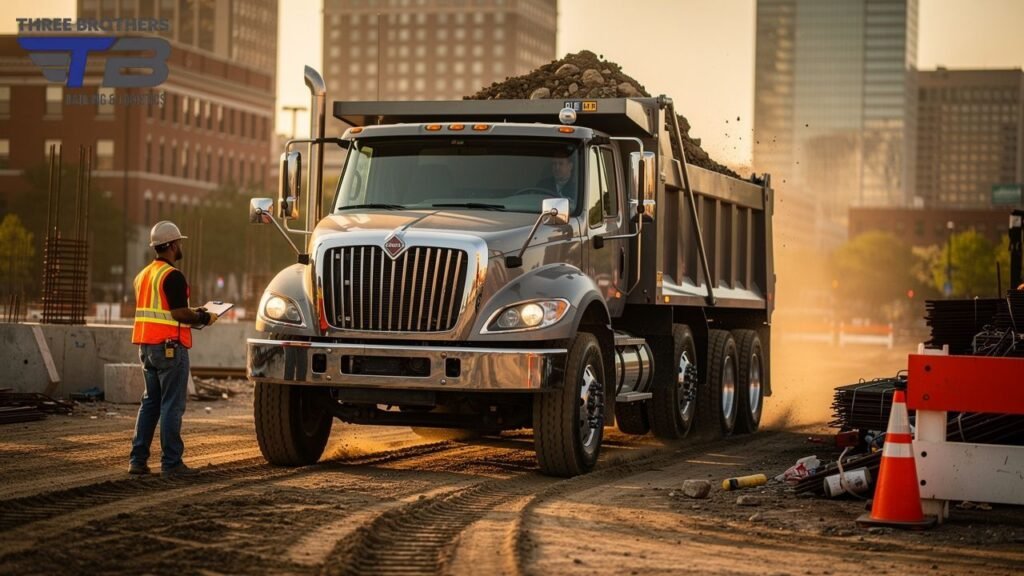
A hauling job is often straightforward when a property has a concentrated amount of similar material. Examples can include a pile of storm-damaged fencing, a large amount of yard debris, construction material from one project, or another bulk load that can be handled and routed as a group.
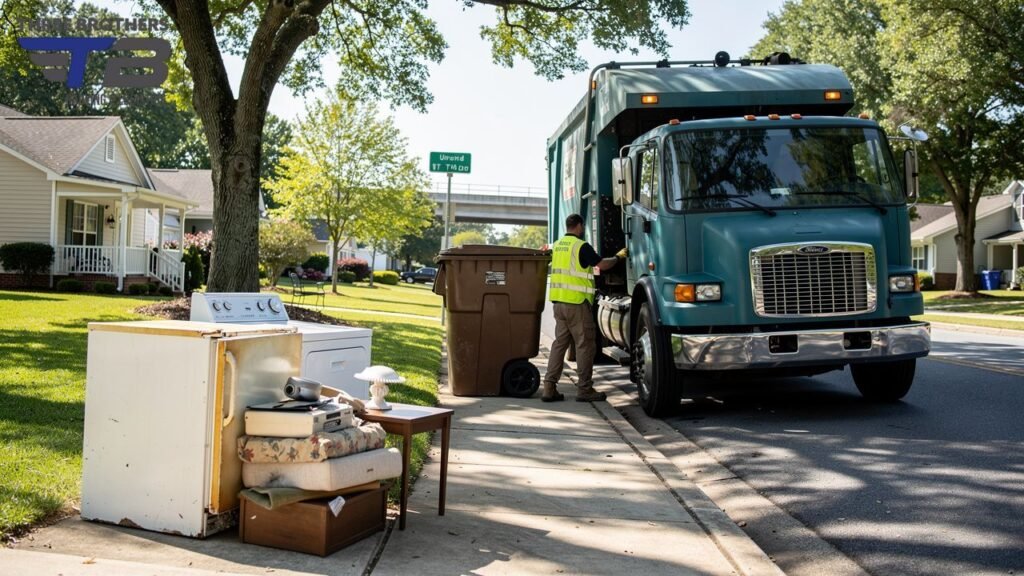
Junk removal becomes more useful when the load contains different types of unwanted items. A garage may contain furniture, boxes, appliances, broken household goods, electronics, and miscellaneous clutter all at once. The crew has to identify, separate, load, and route the material appropriately.
In other words, hauling is often about moving a defined bulk load, while junk removal is more about clearing a mixed collection of unwanted items.
What Hauling Services Are Well Suited For
Hauling is particularly useful when the material is already concentrated in one place and does not require extensive sorting.
Storm cleanup is a good example. A property may have branches, damaged fencing, outdoor material, or other storm-related debris gathered in a specific area. The primary requirement is to remove the bulk material and transport it away.
Construction and landscaping can create similar situations. When a project produces a defined pile of similar debris, hauling can be more straightforward than treating every item as a separate household junk category.
The same concept can apply to certain property cleanups where the material is bulky, heavy, or uniform.
When Mixed Loads Point Toward Junk Removal
Mixed loads are where junk removal has a stronger role.
Consider a garage containing an old sofa, broken shelves, several boxes, a mattress, small appliances, and miscellaneous household clutter. The challenge is not merely moving the material. It is managing different item types within one cleanup.
A similar situation can occur during an estate cleanout or a move. One room may contain furniture, another may contain boxes, while a garage or storage area contains appliances and miscellaneous items.
For these projects, the load is less predictable and more varied. A junk removal service can therefore be a better fit than treating the entire job as one uniform hauling load.
Sorting Is a Major Decision Factor
Sorting is one of the strongest boundaries between the two services.
A uniform pile may require little sorting before loading. A mixed household cleanup can require more attention because different materials may need different disposal or recycling routes.
This is especially important when a property contains items with special handling requirements. Some materials may be accepted through ordinary disposal channels while others may have restrictions.
That does not mean every hauling job is simple or every junk removal job is complicated. It means the amount of sorting required should be considered before choosing the service type.
Hauling vs. Junk Removal at a Glance
| Factor | Hauling Services | Junk Removal |
| Load type | Often bulk or uniform | Often mixed |
| Sorting | Usually limited for uniform loads | More likely with mixed items |
| Typical use | Storm, yard, construction, bulk material | Household clutter and cleanouts |
| Furniture | Possible when part of a bulk load | Common for mixed household removal |
| Storage units | Depends on material | Often suitable for mixed contents |
| Estate cleanouts | Possible for concentrated loads | Often better for mixed contents |
| Main question | How much defined material must move? | How many different item types must be cleared? |
The table highlights the central distinction without turning the article into another generic junk-removal comparison.
Raleigh Storm and Yard Cleanup
Raleigh-area properties can accumulate substantial outdoor debris after storms, landscaping work, fencing replacement, or property maintenance.
When the material has already been gathered into a defined pile, hauling can be a practical option because the job centers on removing the bulk material rather than sorting a household’s possessions.
The important factor is still the actual material. Yard debris, treated materials, construction waste, and other categories can have different disposal requirements. The service should be selected after identifying what the pile contains rather than assuming that all debris can follow the same route.
Construction Debris Requires Attention to Material Type
Construction cleanup can fall into either category.
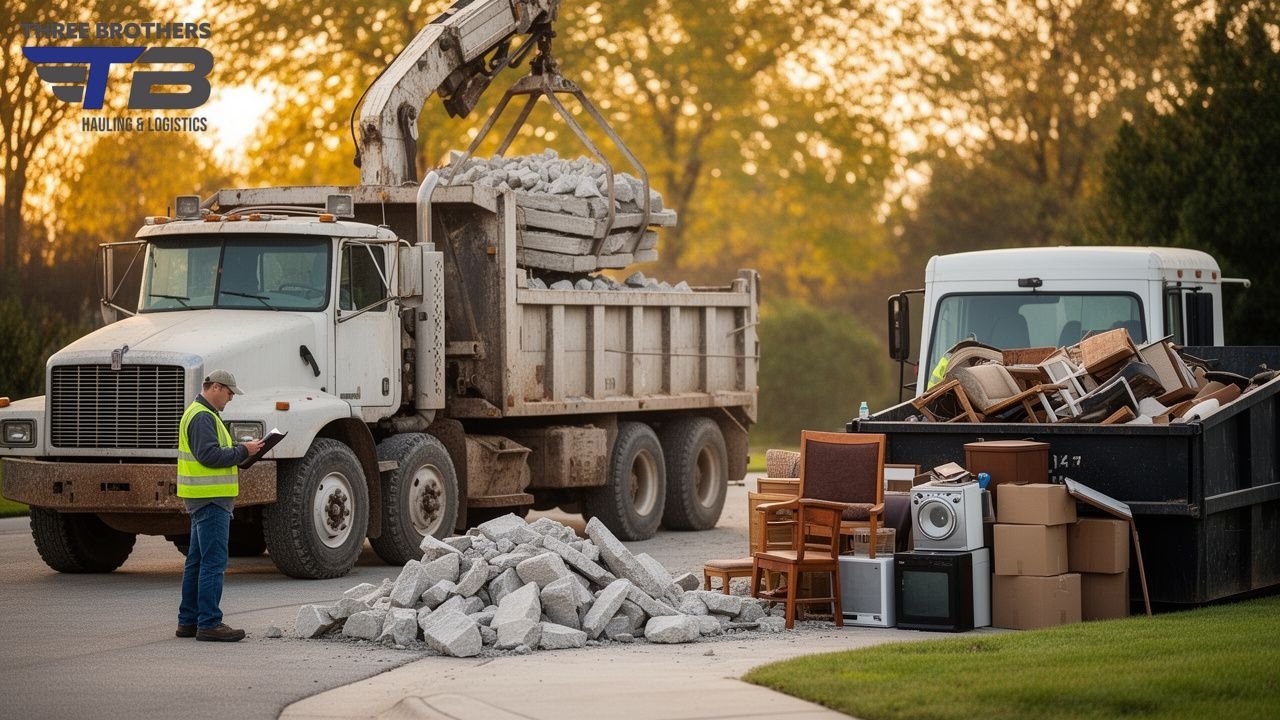
A concentrated pile of one type of construction material can resemble a traditional hauling job. A renovation that leaves behind cabinets, appliances, furniture, packaging, fixtures, and miscellaneous household items can look much more like a junk removal project.
The difference is therefore not simply “construction equals hauling.”
The better question is: What remains after the work, and how mixed is the load?
This distinction helps prevent a project from being categorized incorrectly based only on where the material came from.
Furniture and Large Items
Furniture can also appear in both service types.
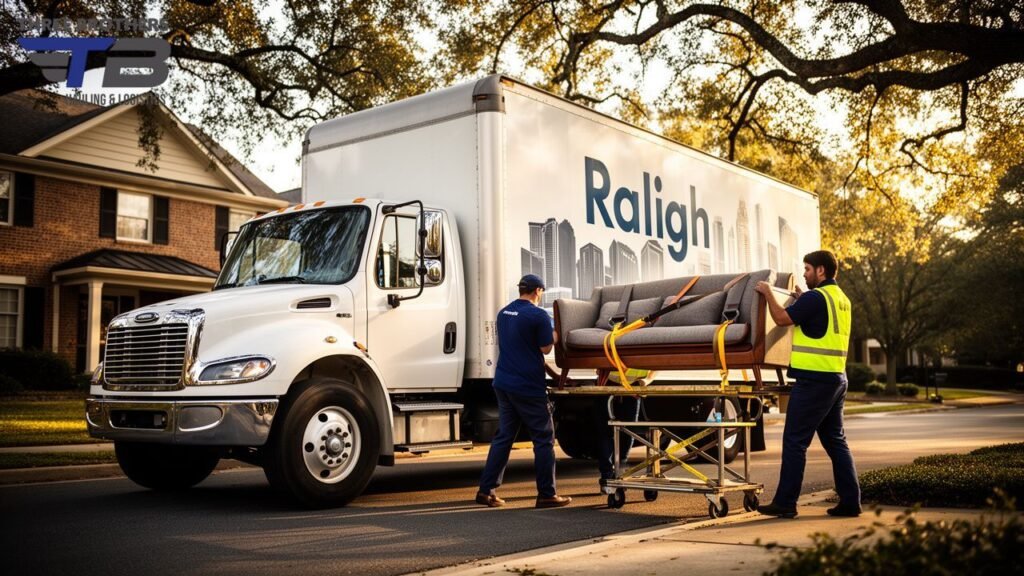
Removing several identical or similar bulky items from one location can resemble a bulk hauling job. Removing furniture alongside boxes, appliances, mattresses, household clutter, and miscellaneous items is more naturally treated as a mixed-load junk removal project.
This is particularly relevant during moves and property transitions. The number of items matters, but their combination matters too.
Storage Units and Estate Cleanouts
Storage units frequently contain a mixture of possessions accumulated over time. Furniture may sit alongside boxes, household goods, appliances, and miscellaneous items.
Estate cleanouts can create an even wider range of materials because an entire household may need to be cleared rather than one category of material.
For these situations, the deciding factor should be the composition of the load and the amount of sorting involved, rather than simply calling the project “hauling” because there is a large amount of material.
Access Can Change the Job
The material itself is only one part of the decision.
A large pile located beside a driveway is very different from the same amount of material spread throughout a home, garage, backyard, or upper-level area.
Access affects how much labor is required and how the material can be staged before loading. It is therefore useful to describe the property’s access conditions when requesting a quote.
Information such as stairs, narrow pathways, distance from the truck, gates, and the location of the material can help the company understand the actual job rather than pricing it from the material description alone.
Heavy Materials Need Accurate Information
Weight can also influence how a hauling job is handled.
A pile may appear relatively small while containing dense construction material. Concrete, soil, roofing material, masonry, and similar loads can behave differently from lightweight household clutter.
When requesting service, the material should be described as accurately as possible. A photo or clear description can also help establish whether the load is primarily bulk material, mixed household junk, or a combination of both.
What to Tell the Hauling or Junk Removal Company
A useful service request should describe the job rather than simply saying, “There is junk to remove.”
The customer should explain:
- What materials need to be removed.
- Whether the load is mostly one material or mixed.
- Where the material is located.
- Whether stairs, gates, or long carrying distances are involved.
- Whether the material is already staged.
- Approximately how much material is present.
- Whether the project is connected to construction, landscaping, moving, storm cleanup, or a property cleanout.
These details help determine which service structure makes the most sense.
A Simple Decision Test
The choice can usually be narrowed down with five questions:
- Is the load mostly one type of material?
If yes, hauling may be the better fit. - Does the load contain many unrelated household items?
If yes, junk removal may make more sense. - Does the material need substantial sorting?
More sorting generally points toward a mixed-load removal job. - Is the material already concentrated and staged?
A staged bulk pile can make hauling more straightforward. - Is the property being cleared of many different items?
A broad property cleanout usually requires a more flexible junk removal approach.
Common Mistakes When Choosing Between the Two
One common mistake is choosing a service based only on volume. A truckload of one material and a truckload of mixed household items can require very different handling.
Another mistake is describing every unwanted item as “junk.” That description does not tell the company whether the load contains furniture, construction debris, yard waste, appliances, or restricted materials.
A third mistake is ignoring access. A small mixed load inside a difficult-to-access area can require more labor than a larger pile already staged beside the driveway.
Accurate information before scheduling makes the service selection much clearer.
How Cost Fits Into the Decision
Cost should be considered, but this article should not compete with the site’s dedicated pricing resources.
Pricing can change according to volume, labor, material type, access, disposal requirements, and other job-specific factors. A hauling job with a concentrated load may be priced differently from a mixed household cleanout even when the visible volume appears similar.
For broader pricing mechanics, the relevant resource is factors that affect junk removal pricing.
The important point here is that service selection comes before price comparison. First determine what type of job it actually is. Then compare the quote for that specific job.
Final Decision: When Should Hauling Be Chosen?
Hauling services are often the better fit when the property has a large, defined, relatively uniform load that can be collected and transported without extensive sorting.
Junk removal is generally better suited to mixed property cleanouts where furniture, boxes, appliances, household goods, and other unrelated items need to be removed together.
The distinction is not absolute. Some jobs can reasonably fall between the two categories. What matters most is giving the service provider an accurate description of the material, access, and project conditions.
The best choice is the service that matches the actual work involved not simply the largest amount of material.
Frequently Asked Questions
What is the main difference between hauling and junk removal?
Hauling often focuses on moving a defined bulk or uniform load, while junk removal commonly handles mixed collections of unwanted household or property items.
Is hauling only for construction debris?
No. Hauling can also apply to storm debris, yard material, fencing, bulky materials, and other concentrated loads, depending on what the company accepts.
Is junk removal better for a garage cleanout?
A garage cleanout often contains mixed materials such as furniture, boxes, appliances, and miscellaneous clutter, making junk removal a natural fit.
Can hauling services remove furniture?
Yes, depending on the job and the company’s accepted materials. Furniture can be part of a hauling job when it forms part of a defined bulk load.
Does sorting matter when choosing between hauling and junk removal?
Yes. A uniform load usually requires less sorting, while a mixed load may require more item identification and disposal planning.
What information should be provided when requesting a quote?
The customer should describe the material, approximate amount, location, access conditions, whether the material is staged, and whether the project involves moving, construction, landscaping, storm cleanup, or a property cleanout.