Removing junk without lifting heavy items requires a combination of mechanical advantages, item disassembly, and strategic sorting. By using tools like furniture sliders and hand trucks, weight is shifted from the human body to wheels or low-friction surfaces. Breaking down large furniture into smaller, lighter components further ensures that no single piece exceeds a manageable weight. These methods effectively minimize the risk of physical strain while clearing out unwanted materials.
Safety and efficiency are the primary goals of any cleanout project. Implementing specialized equipment and logical planning allows for the removal of bulky items like couches, appliances, and cabinetry without direct vertical lifting. This approach is especially beneficial for those with physical limitations or for anyone looking to avoid the common injuries associated with manual labor. This guide covers the specific tools and techniques necessary to clear space safely.
Mechanical Aids for Moving Heavy Loads
Mechanical tools are the most effective way to relocate heavy objects without physical exertion. Hand trucks and dollies use leverage to tilt and balance weight over wheels, allowing for easy transport across flat surfaces. A standard appliance dolly, equipped with straps, secures tall items like refrigerators so they can be rolled rather than carried.
Furniture sliders are another essential tool for weightless movement. These plastic or felt discs fit under the corners of heavy items, reducing friction between the object and the floor. According to The Family Handyman, sliders allow a single person to move large dressers or sofas across a room with a simple push. This method keeps the item’s weight on the floor rather than on the back.
Bonus Tip: Apply a small amount of dry lubricant or soap to the underside of sliders when moving items across particularly stubborn surfaces like thick carpeting to further reduce resistance.
Using Leverage and Ramps
When a small height change is necessary, such as moving an item over a door threshold, leverage tools like a pry bar can lift a corner just enough to slide a dolly underneath. For larger transitions, portable ramps create a smooth path for wheeled equipment. Ramps eliminate the need to lift items over steps, which is where many injuries occur.
Disassembly Techniques for Weight Reduction
The most reliable way to avoid heavy lifting is to make the items lighter. Most modern furniture is held together by screws, bolts, and cam locks that can be removed. By taking a sofa apart, the heavy wooden frame is separated from the lighter cushions and springs.
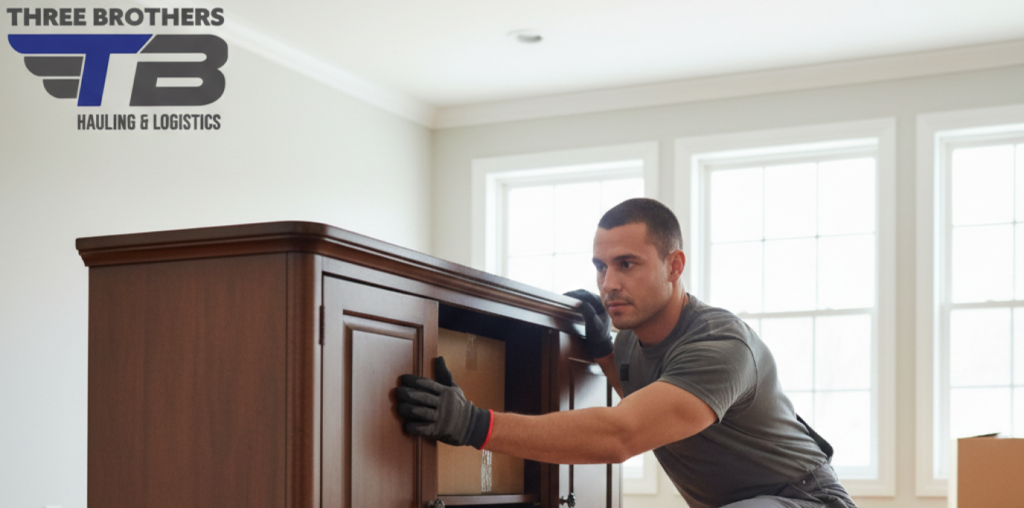
Removing drawers from dressers or doors from cabinets immediately reduces the total weight of the main unit. In many cases, a heavy entertainment center is actually three or four smaller sections bolted together. Separating these units allows each piece to be moved individually without strain.
Essential Tools for Disassembly
Keep a basic toolkit ready for junk removal tasks. A cordless drill with various bits, a set of Allen wrenches, and a rubber mallet are usually enough to deconstruct most household items. If an item is being thrown away and not donated, a reciprocating saw can be used to cut large wooden frames into small, lightweight pieces that fit into standard trash bags.
Comparative Methods for Junk Removal
Different items require different strategies to ensure no heavy lifting is involved. The following table compares common methods for handling bulky junk.
| Method | Primary Tool Used | Best For | Physical Effort Level |
|---|---|---|---|
| Rolling | Appliance Dolly | Washers, Dryers, Fridges | Low (requires balance) |
| Sliding | Polypropylene Sliders | Couches, Wardrobes, Desks | Very Low (pushing only) |
| Deconstruction | Power Drill / Saw | Bed Frames, Sectionals | Low (repetitive motion) |
| Gravity-Aided | Loading Ramps | Moving items into vehicles | Medium (control required) |
| Professional Service | Full-service crews | All heavy junk items | None |
Strategic Sorting and Bagging
Small items can become heavy if they are packed into large boxes or bags. To keep weight manageable, use smaller containers for dense materials like books, magazines, or kitchenware. A large box filled with books can easily weigh over 50 pounds, while a small box keeps the weight under 20 pounds.
When clearing out general household clutter, sort items into categories before moving them. This prevents the need to move the same pile of junk multiple times. Clearing a path first is also vital. Data from the Bureau of Labor Statistics indicates that many workplace injuries occur due to trips and falls while carrying loads. By clearing obstacles, you ensure that even when using specialized tools, the path remains safe.
Market Data on Lifting Safety
Physical health is a major factor in the junk removal industry. Statistics from the National Safety Council show that overexertion and bodily reaction are leading causes of nonfatal injuries involving days away from work. Most of these injuries involve the back and are caused by lifting heavy objects improperly.
The volume of waste also plays a role in how people choose to remove junk. A report by the Environmental Protection Agency notes that Americans generate millions of tons of municipal solid waste annually, much of which consists of bulky durables like furniture and tires. Managing this volume without injury requires a move away from manual lifting toward mechanical and professional assistance. Given these industry wide safety risks, it is essential to evaluate your specific situation and physical capabilities before proceeding with a cleanout.
Things to Consider Before Making a Decision
Before starting a junk removal project, evaluate the following factors to determine the best approach:
- Physical Limitations: Assess any existing back, knee, or wrist issues that could be aggravated by even minor pushing or pulling.
- Item Value: Decide if the item needs to stay intact for donation. If not, disassembly or cutting it into pieces is the easiest path.
- Path of Exit: Measure doorways and hallways. If an item is wider than the exit, disassembly is required regardless of its weight.
- Floor Surface: Sliders work differently on hardwood than on carpet. Ensure the correct type of slider is available to avoid floor damage.
- Time Constraints: Disassembling every piece of furniture takes significant time. If the project must be completed quickly, professional help might be more efficient.
Bonus Tip: Use “Forearm Forklifts” or lifting straps if a two-person move is possible. These straps use the power of the legs and shoulders rather than the back, making the item feel much lighter.
Common Questions About Junk Removal
How do I move a heavy sofa by myself? Use furniture sliders. Tilt one side of the sofa, place a slider under the leg, and repeat for all corners. Once the sliders are in place, the sofa can be pushed across the floor with minimal effort.
Can I take apart a mattress to make it lighter? Yes, though it is messy. You can cut the fabric perimeter with a utility knife, remove the foam layers, and then use wire cutters to break down the internal springs. This turns a heavy, awkward mattress into several light components.
What is the easiest way to get junk down stairs? Never try to carry heavy junk down stairs alone. Use a stair-climbing dolly, which has a triple-wheel design to “walk” up or down steps. If the item is not being saved, it can sometimes be disassembled at the top of the stairs.
Understanding Specialized Removal Options
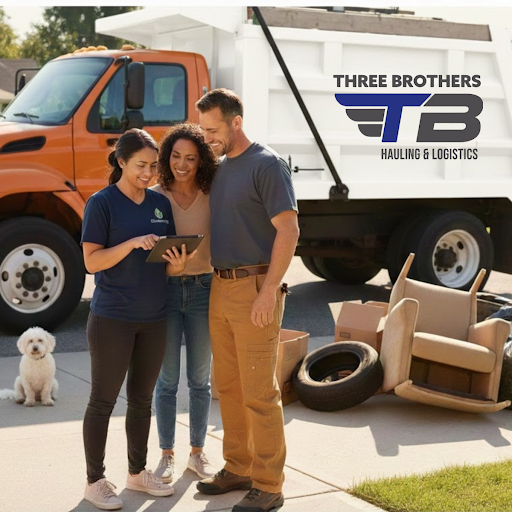
If the volume of junk is too large or the items are too heavy to manage even with tools, professional services are the standard solution. Three Brothers Hauling & Logistics provides full-service removal where the physical labor is handled entirely by a trained crew. This eliminates the need for the property owner to buy tools or risk injury.
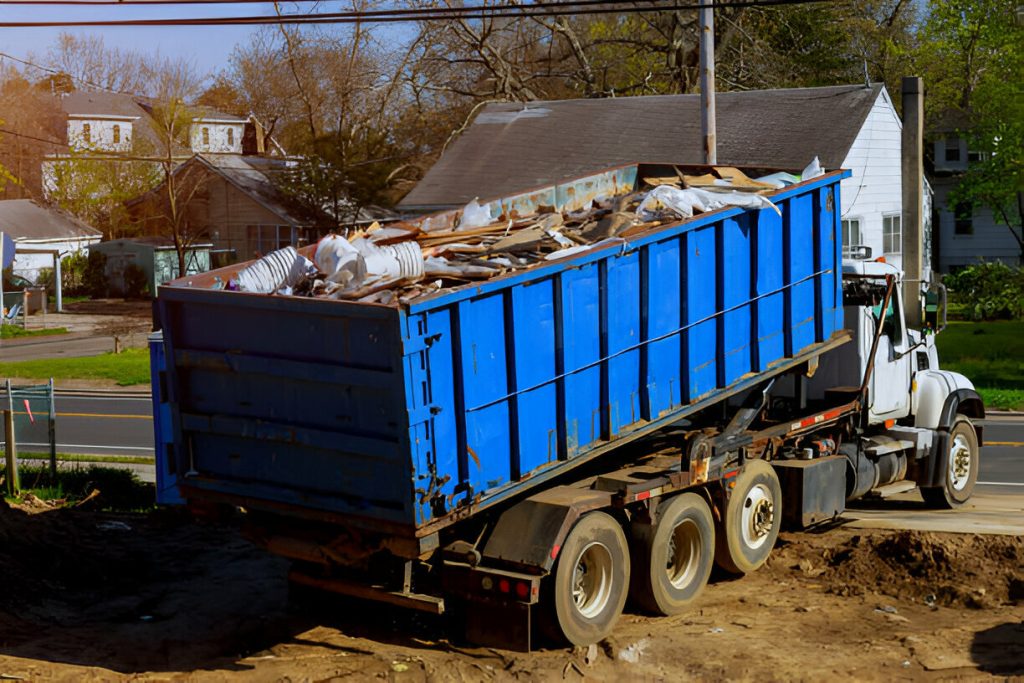
Professional crews use high-capacity trucks and industrial-grade equipment to clear out spaces. This is often the safest choice for items like hot tubs, pianos, or large piles of construction debris. By choosing a professional route, the homeowner avoids the logistical headache of renting a truck and finding a disposal site.
Questions for Your Specific Situation
Is it cheaper to rent a dumpster or hire a removal service?
A dumpster rental requires the user to do all the loading, which involves lifting. A removal service includes the labor. If avoiding heavy lifting is the priority, a full-service team is generally more effective than a self-fill dumpster.
What items are too heavy for furniture sliders?
Most residential furniture can be moved with sliders. However, extremely dense items like a gun safe or a cast-iron stove may exceed the weight capacity of plastic sliders and could damage the flooring. These require heavy-duty machinery.
How do I dispose of items that are disassembled?
Once an item is broken down, the pieces can often be taken to a local convenience center or placed in a regular trash bin if they are small enough. Check local municipal guidelines for rules on disposing of treated wood or metal springs.
Can I use a winch to move junk?
A manual or electric winch can be used to pull heavy items up a ramp into a garage or trailer. This is a common tactic for non-running lawnmowers or heavy shop equipment.
Effective Junk Management Summary
Removing junk without lifting heavy items is a matter of working smarter. Utilizing the physics of leverage, the low friction of sliders, and the simplicity of disassembly allows for a clean space without physical risk. Always prioritize safety by clearing paths and using the right tools for the specific floor surface. If a project feels overwhelming or the items are dangerously heavy, seeking professional assistance ensures the job is done correctly without any physical strain on the individual. Evaluate the scope of the junk and choose the method that best protects your health and property.
Professional Logistics and Support
For those who prefer a completely hands-off experience, professional assistance is available. Three Brothers Hauling & Logistics handles the heavy lifting, sorting, and disposal of unwanted items. To discuss a project or receive more information on safe junk removal, contact the team at 919-559-2801 or via email at info@threebrothershl.com. Professional support ensures that even the most difficult items are removed efficiently and safely from any property.
Sources
- The Family Handyman – Provides practical DIY tips for moving furniture using sliders and mechanical aids.
- Bureau of Labor Statistics – Offers data regarding workplace injuries and the risks associated with manual lifting.
- National Safety Council – Detailed information on overexertion injuries and prevention strategies.
Environmental Protection Agency – National data on waste generation and the types of materials commonly found in junk removal.