Skip to main content
Junk removal pricing can vary from one company to another because the final charge depends on more than the amount of junk being removed. Volume, material weight, item type, labor requirements, disposal fees, and access conditions can all affect the quote. Understanding these factors makes it easier to compare estimates and see why two companies may charge different amounts for similar-looking jobs.
For homeowners and businesses, the most useful starting point is understanding how junk removal pricing is calculated. Professional haulers commonly consider how much space the load occupies, how difficult the materials are to handle, and what is required to transport and dispose of them.
How Junk Removal Companies Calculate Pricing
Many junk removal companies use a volume-based pricing structure. Instead of charging a single price for every job, the load is placed into a pricing tier based on how much truck space the material occupies.
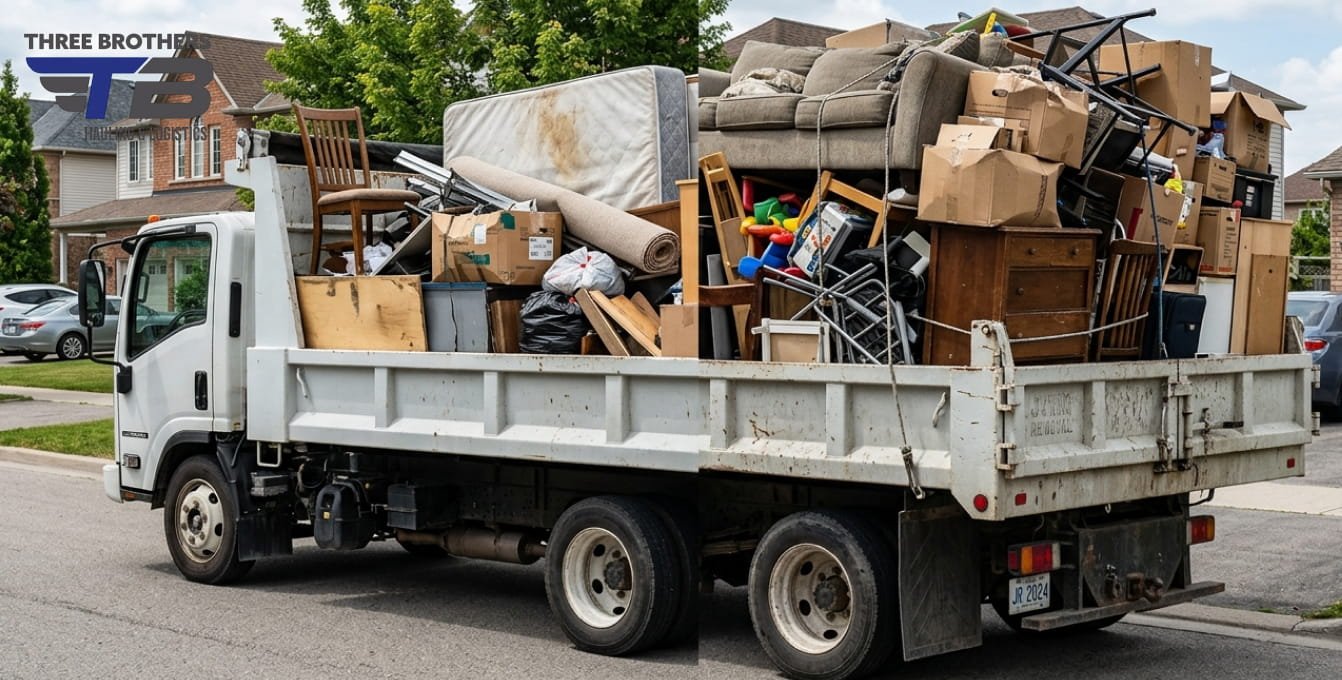
A typical truck may hold roughly 12–16 cubic yards. Smaller jobs can fall into a minimum-load or partial-load tier, while larger cleanouts may require half, three-quarter, or full-truck capacity.
The minimum charge generally accounts for fixed costs involved in sending a truck and crew to a property. These can include the vehicle, crew, fuel, travel, and basic operating costs.
For larger loads, the cost per cubic yard can become lower because the fixed trip costs are spread across more material. This is one reason a small pickup and a substantially larger load do not necessarily have proportional prices.
For Raleigh-specific pricing examples, homeowners can review Junk Removal Cost in Raleigh, NC for the current price ranges and examples covered in the separate local cost article.
Volume and Capacity Estimates
Volume is one of the most important factors in a junk removal estimate.
A basic volume calculation uses:
Length × Width × Height = Approximate Cubic Volume
Haulers may estimate the amount of space occupied by furniture, boxes, bags, appliances, yard debris, or other materials before assigning the appropriate pricing tier.
For example, a single armchair and several bags may fit within a small minimum-load range, while a bedroom set or dining furniture may require a larger portion of the truck.
The way items are placed can also affect the amount of usable truck space. Furniture that can be positioned efficiently may leave fewer gaps than loose, irregularly shaped materials.
Standard Volume Tiers
The following examples reflect the pricing structure already used for this topic:
| Load Size | Approximate Volume | Example Materials |
| Minimum | 1–2 cubic yards | Armchair or 5–8 large trash bags |
| 1/4 Truck | 3–4 cubic yards | Loveseat and boxes |
| 1/2 Truck | 6–8 cubic yards | Bedroom set or dining table and chairs |
| Full Truck | 12–16 cubic yards | Small apartment or large garage load |
These tiers are useful for understanding how volume-based pricing works, but the final quote can still change when heavy materials, special handling, difficult access, or disposal requirements are involved.
Weight and Material Density Factors
Truck space is not the only consideration. Weight can become particularly important when a load contains dense materials.
Concrete, brick, soil, roofing shingles, and similar debris can reach weight limits before the truck is physically full. A company may therefore charge differently for heavy materials than it would for the same amount of lightweight household items.
This distinction explains why two loads occupying a similar amount of space can have different prices.
Heavy debris may also involve disposal charges based on weight. In some situations, a truck may only be able to carry a relatively shallow layer of dense material while still reaching its permitted weight limit.
For customers comparing estimates, it is therefore important to ask whether the quoted price is based primarily on volume, weight, material type, or a combination of these factors.
Special Handling and Disposal Fees
Not every item can be processed in the same way. Certain materials require additional handling, recycling, or disposal procedures, which can affect the final cost.
Disposal charges may vary according to the type and weight of material being taken away. This is particularly relevant for electronics, appliances, tires, mattresses, and other items that may require separate processing.
Electronics and E-Waste
Televisions, monitors, printers, and other electronics can require specific recycling or disposal procedures. Materials such as lead and mercury can make improper disposal a concern.
Because disposal requirements vary, customers should ask how electronics are handled and whether any recycling or processing charge is included in the estimate.
For local waste and recycling information, the Wake County waste and recycling resources can provide information about accepted materials and disposal options.
Appliances and Refrigerants
Refrigerators, freezers, and air-conditioning equipment can require additional handling because they may contain refrigerants.
The removal process can therefore involve requirements beyond simply loading an appliance onto a truck. Customers should ask whether any appliance-related disposal or processing charge is included in the quoted price.
The EPA appliance disposal information explains federal requirements and proper handling of appliances containing refrigerants.
Tires and Mattresses
Tires and mattresses can also create additional disposal considerations. Some facilities apply separate processing requirements or per-item charges because these materials are handled differently from ordinary household junk.
Before accepting an estimate, it is worth confirming whether these items are included in the quoted price or treated as special-disposal materials.
Logistics and Labor Requirements
The physical work involved in removing junk can have a direct effect on pricing.
A pile located beside the driveway is usually simpler to access than furniture that must be carried down multiple flights of stairs. Long walking distances, narrow passages, crawlspaces, attics, and difficult entry points can increase the amount of labor required.
Disassembly can also affect the job. Large furniture may need to be taken apart before it can pass through a doorway or be safely loaded.
Some properties may involve substantially more labor than the amount of junk alone would suggest. Hoarding situations, heavily packed rooms, and difficult cleanouts can require additional time for sorting, carrying, and loading.
Customers can often make the quoting process easier by providing clear photos and explaining where the materials are located. Photos of stairs, narrow access points, garages, attics, or other difficult areas can help a company understand the job before arriving.
For a separate example of a property-specific removal project, see Garage Cleanout Raleigh, NC.
Why Do Junk Removal Companies Charge Different Prices?
Different companies can quote different prices for the same general job because their pricing models and operating costs are not identical.
One company may rely heavily on volume, while another may use itemized pricing or account for weight and disposal requirements separately. Labor structure, truck capacity, travel requirements, disposal arrangements, and included services can also vary.
That is why comparing only the final dollar amount may not provide a complete picture.
A lower quote may exclude certain fees that another company has already included. Conversely, a higher quote may include labor, disposal, or additional handling that another estimate lists separately.
When comparing providers, the most useful question is not simply “Which company is cheaper?” but “What does this price include?”
What Should Be Included in a Junk Removal Quote?
A clear estimate should make it easier to understand what the customer is paying for.
Before booking, customers can ask whether the quoted amount includes:
- Loading and labor
- Truck or transportation costs
- Disposal or tipping fees
- Recycling or special handling
- Appliance-related charges
- Additional labor for stairs or difficult access
- Taxes or other applicable fees
A customer should also confirm whether the estimate is based on photos, an on-site assessment, or an approximate description of the load.
For larger projects, obtaining two quotes can make pricing differences easier to identify. Each company can then be compared using the same information about volume, materials, access, and services required.
Things to Consider Before Making a Decision
Price is important, but it should not be the only factor used to evaluate a junk removal company.
Customers should check whether the company carries appropriate insurance and whether the estimate clearly explains what is included. Disposal practices also matter, particularly when recyclable materials, electronics, appliances, or other specially handled items are involved.
An on-site estimate can be useful when the amount of material or access conditions are difficult to judge remotely. Customers should also ask about additional charges before the work begins rather than discovering them after loading has started.
For broader service-selection considerations, How to Choose the Right Junk Removal Service covers factors customers can review when comparing providers.
Common Questions About Junk Removal Pricing
Why is there a minimum charge?
A minimum charge helps cover the fixed costs involved in sending a truck and crew to a property, even when the amount of junk is relatively small.
Do prices change if the junk is outside?
The location of the junk can affect the labor required. Items already positioned near the truck may require less carrying than materials inside a home, upstairs, in an attic, or through a difficult access route.
How is hazardous waste priced?
Hazardous materials may require separate handling and may not be accepted through standard junk removal services. Customers should identify these materials before requesting an estimate and confirm whether the company can legally handle them.
FAQ
Can I get an exact quote over the phone?
A phone estimate may be possible when the customer can accurately describe the amount and type of junk. Photos can provide additional information, but an exact price may depend on seeing the load and access conditions.
Does the time of year affect pricing?
Pricing can vary based on company availability and operating conditions, but the primary factors remain the amount and type of material, labor requirements, access, and disposal considerations.
Are there discounts for multiple truckloads?
Customers should ask the company directly. Multiple truckloads may be quoted differently depending on the size and requirements of the project.
Do I have to be present for the removal?
Not necessarily. Whether the customer needs to be present depends on the company’s process and how access to the property and materials is arranged.
Summary of Junk Removal Pricing Factors
Junk removal pricing is not determined by one universal rate. Volume is often the starting point, but weight, material type, disposal requirements, labor, and accessibility can all change the final estimate.
Understanding these factors also explains why prices can differ between companies. A useful comparison looks beyond the final number and checks what labor, transportation, disposal, and special handling are included.
For Raleigh homeowners who specifically want to see actual local cost ranges and real pricing examples, the dedicated Raleigh junk removal cost article provides that information without repeating the pricing-mechanics focus of this page.
Get a Clear Junk Removal Estimate
A clearer understanding of pricing factors makes it easier to prepare the right information before requesting a quote. Customers can describe the material, estimate the volume, identify heavy or special items, and explain any difficult access conditions.
Three Brothers Hauling & Logistics can then assess the project requirements and provide information about the removal service and estimate. For commercial projects, customers can also review Commercial Junk Removal for service-specific information.
Call 919-559-2801 or contact Three Brothers Hauling & Logistics to discuss the junk removal project and request an estimate.