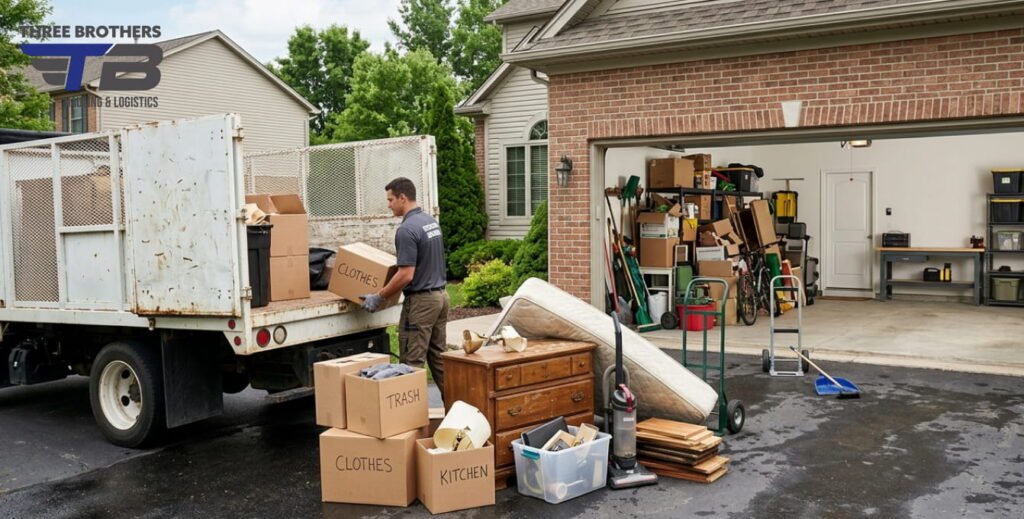
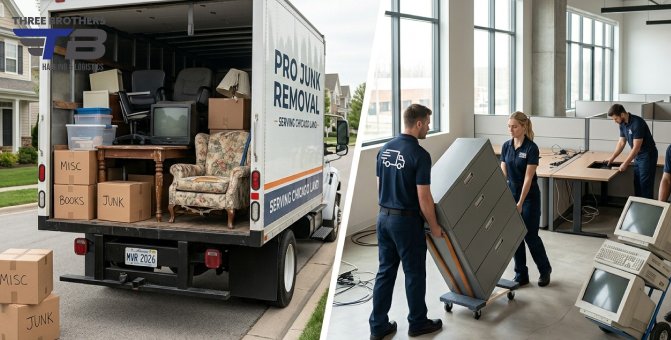
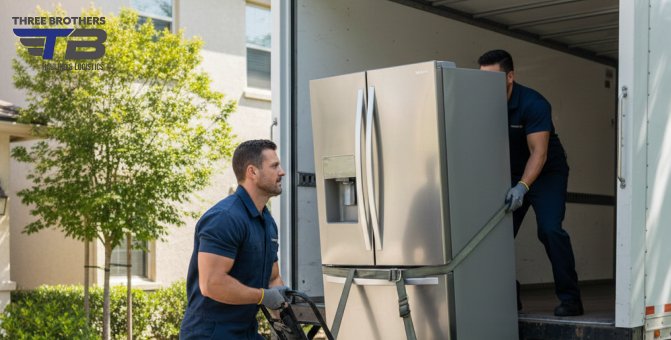
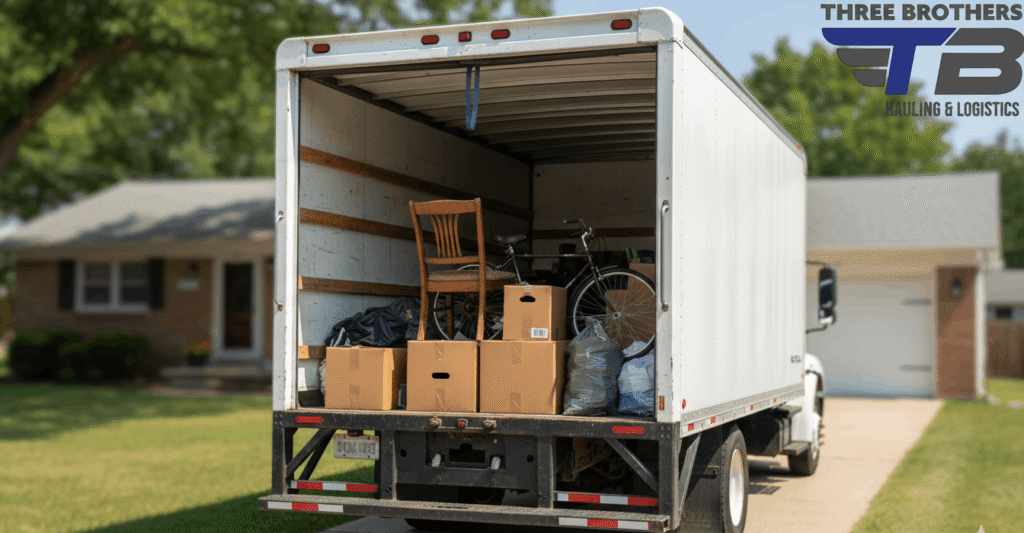
Items collected during junk removal enter a tiered sorting process designed to maximize reuse and minimize landfill waste. The specific path depends on the condition, age, and material composition of the objects. Functional furniture and working appliances typically go to local charities or secondary markets. Non-functional appliances are stripped for scrap metal, while electronics undergo specialized processing to recover valuable components like gold, copper, and silver.
Modern waste management prioritizes resource recovery over simple disposal. Professional haulers assess every load to determine if items meet the criteria for donation or recycling. This approach keeps tons of material out of local waste streams and supports the circular economy by reintroducing materials back into the manufacturing cycle. The following guide explains the logistical lifecycle of hauled items based on industry standards and environmental regulations.
The Path of Used Furniture
Furniture represents a significant portion of the waste stream. According to the Environmental Protection Agency, Americans generate over 12 million tons of furniture waste annually. When a removal team collects a sofa, table, or bed frame, the first step is an assessment of structural integrity and cleanliness.
Donation and Resale
If a piece of furniture is in good condition, it often finds a second life through non-profit organizations. Many removal services maintain partnerships with local shelters, thrift stores, and community centers. Groups like the Furniture Bank Network help distribute these items to families in need. Items that are functional but show minor wear may be sold at deeply discounted prices in secondary markets, which provides affordable options for consumers.
Material Recovery and Recycling
When furniture is broken beyond repair or heavily soiled, it moves to a recycling facility. Wood furniture can be chipped for mulch or processed into particleboard. Metal frames from chairs or desks are separated and sent to scrap yards. Large items like mattresses, which are often grouped with furniture due to their size, are particularly difficult to manage; however, specialized mattress recyclers can now reclaim up to 90 percent of the materials, including steel springs, foam, and fabric.
Bonus Tip: Before a removal team arrives, check if the furniture has a “law tag.” This tag often contains information about the materials used, which can help recyclers process the item more efficiently.
How Appliances Move Through the System
Appliances are composed largely of high-value metals, making them prime candidates for recycling. Data from the Association of Home Appliance Manufacturers indicates that major appliances have high recycling rates because steel, aluminum, and copper are easy to extract and sell.
Demanufacturing and Hazard Removal
Before an appliance can be crushed or shredded, technicians must remove hazardous components. Refrigerators and air conditioners contain refrigerants that can damage the ozone layer if released. The EPA Responsible Appliance Disposal (RAD) Program sets guidelines for the safe recovery of these chemicals. Other components, such as capacitors that might contain PCBs or mercury switches, are also removed and handled as hazardous waste.
Metal Shredding and Smelting
Once hazards are removed, the remaining shell is mostly steel. These units go to industrial shredders that break the metal into small pieces. Magnets separate the ferrous metals (steel and iron) from non-ferrous metals (copper and aluminum). These metals are then sent to smelters where they are melted down to create new products.
The Lifecycle of Electronics and E-Waste
Electronics require the most complex handling because they contain both highly valuable and highly toxic materials. The Global E-waste Monitor reports that global e-waste production is rising five times faster than documented recycling rates, making responsible removal essential.
Secure Data Destruction
Reliable junk removal involves ensuring that electronics are sent to facilities that prioritize data security. Hard drives and memory chips from computers or tablets are often physically shredded to prevent any possibility of data recovery. This step is a standard part of the process at certified electronics recycling centers.
Recovery of Precious Metals
Electronic circuit boards contain gold, silver, and palladium. Specialized processors use chemical and thermal methods to extract these metals. While the amount in a single phone is small, processing thousands of devices yields significant resources. This “urban mining” is much more energy-efficient than traditional mining.
Managing Toxic Components
Old televisions and monitors, especially those with cathode ray tubes (CRTs), contain several pounds of lead. Modern flat screens contain mercury. These items cannot go to a standard landfill. E-waste processors certified by Sustainable Electronics Recycling International (the R2 standard) ensure these toxins are captured and treated according to strict environmental laws.
Bonus Tip: Performing a factory reset on your devices is a good first step, but for maximum security, look for removal partners who use R2 or e-Stewards certified downstream processors.
Comparing Disposal Methods by Item Type
The following table shows how different items are prioritized during the removal process to ensure environmental safety and resource efficiency.
| Item Category | Primary Goal | Processing Method | Typical Recovery Rate |
|---|---|---|---|
| Upholstered Furniture | Donation | Steam cleaning and resale | 20-30% |
| Metal Appliances | Recycling | Shredding and smelting | 85-95% |
| Computing Gear | Data Security | Shredding and precious metal recovery | 70-80% |
| Cooling Units | Hazard Mitigation | Refrigerant capture and metal recovery | 80-90% |
| Wood Furniture | Reuse | Refurbishing or wood chipping | 40-50% |
Things to Consider Before Making a Decision
While the technical logistics of recycling are complex, your role as a consumer involves a few key considerations. Before scheduling a pickup, several factors can influence the final destination of the items. Understanding these variables helps set realistic expectations for how the materials will be handled.
- Item Condition: If a sofa has significant pet damage or structural failure, it will likely go to a recycling center or landfill rather than a charity.
- Material Composition: Items made of mixed materials (like a chair made of wood, metal, and plastic) are harder to recycle than those made of a single material.
- Local Infrastructure: The availability of specialized recycling centers in a specific region determines how much material can be diverted from landfills.
- Age of Technology: Very old electronics may not have enough valuable metal to offset the cost of hazardous waste processing, whereas newer units are often easier to harvest for parts.
Common Questions
Does everything go to the dump? No, it does not. Most professional haulers avoid landfills whenever possible because disposal fees are high and environmental regulations are strict. Maximizing donation and recycling is more cost-effective for the business and better for the community.
Can refrigerators be recycled with regular scrap metal? Only after the refrigerant is professionally removed. It is illegal to crush or shred cooling appliances while they still contain Freon or other cooling gases.
What happens to old clothing found in junk piles? Textiles are often sorted for donation. Items that are not fit for wear are frequently cut down into industrial rags or shredded for insulation and carpet padding.
Frequently Asked Questions
How do removal companies verify that charities accept items?
Professional teams stay updated on the specific needs and quality standards of local non-profits. If a charity has reached capacity for a certain item, such as bulky televisions or old desks, the removal team redirects those items to the next best recycling or secondary market option.
What is the most difficult item to recycle?
Mattresses and large sectional sofas are among the most difficult because they are bulky and made of many different fused materials. However, as recycling technology improves, more facilities are opening specifically to handle these complex items.
Is e-waste handled differently than regular trash?
Yes. E-waste is subject to specific state and federal laws regarding hazardous waste. It is collected separately and transported to specialized facilities that have the permits and equipment to handle lead, mercury, and cadmium safely.
Can wood furniture be burned for energy?
In some cases, clean wood waste that cannot be reused or turned into mulch is sent to biomass plants. These facilities burn the wood in a controlled environment to generate electricity, providing a final use for the material that avoids the landfill.
How are lithium batteries handled?
Lithium-ion batteries are extremely fire-prone and are never placed in standard trucks with flammable trash. They are removed from devices and placed in specialized containers for transport to battery recycling centers where the cobalt and lithium can be recovered.
Summary of the Junk Removal Process
The lifecycle of furniture, appliances, and electronics after removal is a complex logistics operation. Three Brothers Hauling & Logistics operates within this system to ensure that items are sorted and distributed according to their highest potential use. By prioritizing donation for functional items and metal recovery for broken appliances, the volume of waste sent to landfills decreases significantly. When choosing a removal method, consider the condition of your items and the specialized requirements of electronics and cooling systems. Proper handling protects the environment and ensures that valuable raw materials stay within the economy.
Direct Assistance and Logistics
Managing the exit of large household items requires coordination and knowledge of local disposal regulations. For those needing help with the removal of furniture, old appliances, or outdated electronics, Three Brothers Hauling & Logistics provides efficient solutions. The team can be reached via email at info@threebrothershl.com or by calling 919-559-2801. Contact the business today to discuss the best way to clear out unwanted items while ensuring they are handled with care and environmental responsibility.
Sources
- Global E-waste Monitor – An authoritative source for global statistics and trends regarding electronic waste and its environmental impact.
- Furniture Bank Network – A national organization focused on the reuse of furniture to help families in need.
- EPA Responsible Appliance Disposal (RAD) Program – Federal guidelines for the safe disposal of appliances containing ozone-depleting substances.
- Sustainable Electronics Recycling International – The organization responsible for the R2 standard for responsible electronics recycling.