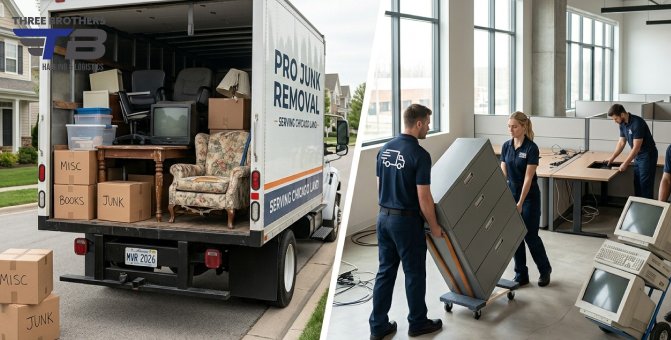
The average junk removal cost typically ranges from $150 to $600 for most residential projects. For small tasks, such as removing a single piece of furniture or a few bags of debris, prices often start at a minimum fee of $70 to $100. Larger projects involving full truckloads or comprehensive estate cleanouts generally fall between $500 and $800, though extremely heavy materials like concrete or dirt can increase these figures due to weight limits and disposal fees.
This guide provides a detailed breakdown of junk hauling price estimates to help property owners plan their budgets effectively. The following data reflects industry standards and current market trends to provide realistic expectations for service expenses.
Standard Pricing Models for Junk Hauling
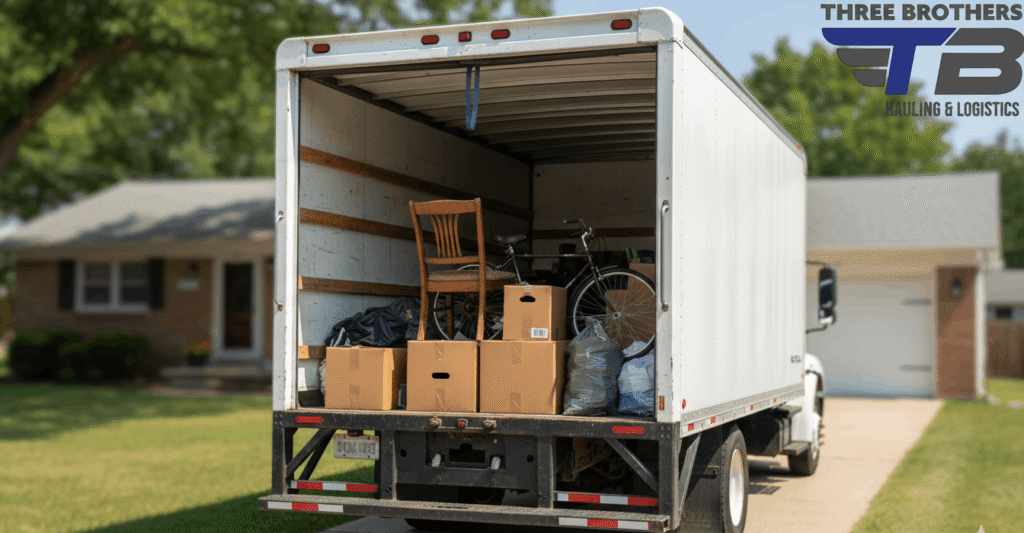
Junk removal companies generally use one of two pricing methods. The most common approach is volume-based pricing, where the total cost depends on how much space the items occupy in the truck. A standard junk removal truck often holds about 12 to 16 cubic yards of material, which is roughly equivalent to the volume of six to eight refrigerators.
According to data published by HomeAdvisor, homeowners spend an average of $248 for professional hauling services. This figure generally reflects mid-sized loads that require a few hours of labor and standard disposal fees at local landfills.
Load Size Estimations
Understanding how haulers measure volume helps in predicting the final bill. Most companies offer tiers such as minimum loads, quarter trucks, half trucks, and full trucks.
| Load Size | Average Price Range | Common Items Included |
|---|---|---|
| Minimum Load | $70 to $150 | A single sofa, a mattress, or 2 to 3 large boxes |
| Quarter Truck | $150 to $250 | A small closet cleanout or a few pieces of small furniture |
| Half Truck | $300 to $450 | Items from a single bedroom or a small garage section |
| Full Truck | $500 to $800 | Large basement cleanouts or major appliance sets |
Variables That Influence Junk Removal Expenses
Several specific factors dictate the final junk hauling price estimate. While volume is the primary driver, logistical hurdles and the nature of the items also play a major role in the calculation.
Item Weight and Density
Heavy materials like brick, gravel, soil, or concrete are priced differently than bulky but light items like old clothing or cardboard. Disposal sites charge by weight, so haulers must pass these costs to the customer. A truck filled only halfway with concrete might weigh more than a full truck of household trash, resulting in a higher price for the smaller volume.
Labor and Accessibility
The time required to move items from the property to the truck affects the total cost. If junk is located on the third floor of a building without an elevator, labor costs typically increase. Similarly, items tucked away in tight crawlspaces or attics require more effort and safety precautions, which usually results in a higher quote.
Distance and Fuel
The location of the property relative to the hauling company and the nearest disposal facility impacts the price. Fuel costs and travel time are significant operational expenses. Areas with high traffic or long distances between jobs often see slightly higher base rates to cover these overhead costs. Accounting for these logistical factors ensures a more accurate initial quote before addressing specialized item requirements.
Specialized Removal Services and Surcharges
Certain items require special handling or incur additional fees at recycling centers and landfills. These are rarely included in basic volume-based quotes and should be discussed upfront.
Appliance Removal Services
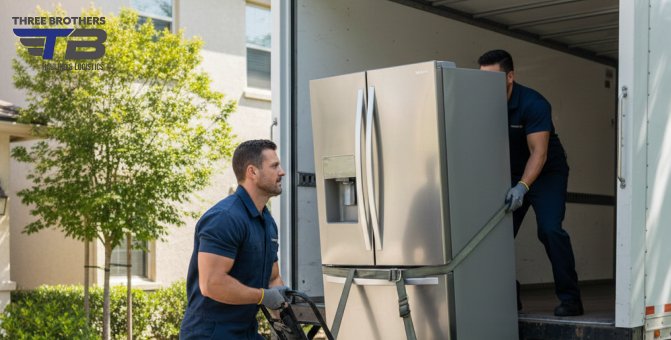
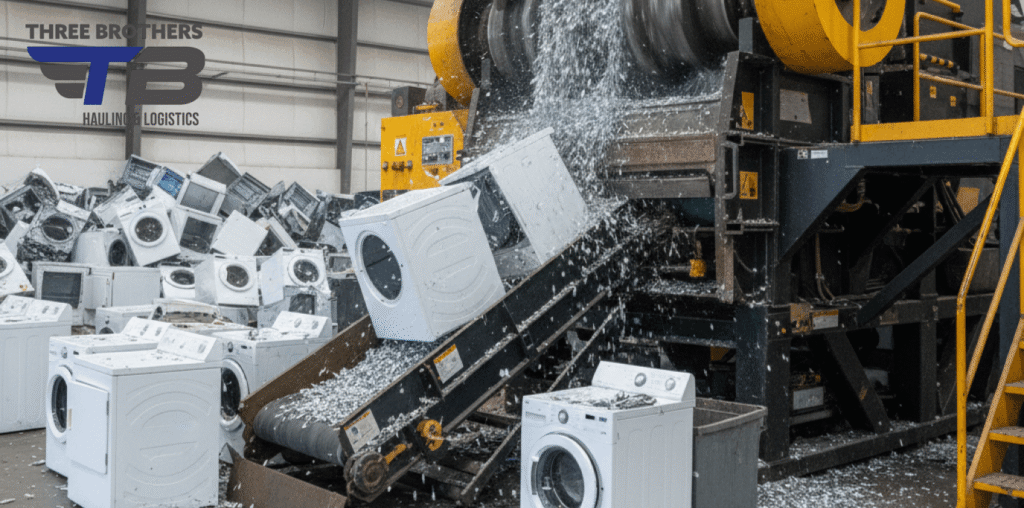
Large appliances often contain chemicals or components that require specialized recycling. Refrigerators and air conditioners contain refrigerants that must be safely recovered. A report from Forbes Advisor suggests that individual appliance removal services typically cost between $60 and $150 per unit, depending on the complexity of the extraction and local disposal laws.
Electronic Waste and Tires
Many states prohibit the disposal of televisions, monitors, and computers in standard landfills. These items go to e-waste recycling centers that charge extra fees. Tires also carry surcharges, often ranging from $5 to $15 per tire, because they are difficult to process and pose environmental risks if not handled correctly.
Bonus Tip: Grouping electronic waste or tires together for a single trip can sometimes reduce the per-unit cost compared to disposing of them individually over several months.
Regional Variations in Pricing
Market rates for junk removal are not uniform across the country. Labor costs and landfill tipping fees vary by state and municipality. In high-cost urban areas like New York City or San Francisco, prices might be 20% to 40% higher than the national average. Conversely, in rural areas where disposal fees are lower and labor is less expensive, homeowners might find rates below the standard range.
Research from Angi indicates that local competition also drives pricing. In regions with many active hauling companies, competitive rates are more common, whereas isolated areas might see higher prices due to limited service options.
Factors to Consider Before Hiring a Hauler
Before scheduling a pickup, evaluating a few key points ensures the service meets expectations without unexpected costs.
- Insurance and Licensing: Verify that the company carries general liability insurance and workers’ compensation. This protects the property owner from liability if an injury occurs on-site.
- Disposal Methods: Ask where the junk goes. Reputable companies prioritize recycling and donation centers over landfills, which is better for the environment and sometimes reduces disposal fees.
- On-Site Estimates: While phone estimates are helpful for single items, a firm price for a large pile usually requires an on-site visit. This prevents “sticker shock” once the truck is loaded.
- Item Restrictions: Most residential haulers cannot take hazardous materials like wet paint, oil, gasoline, or asbestos. Specialized hazardous waste teams are required for these substances.
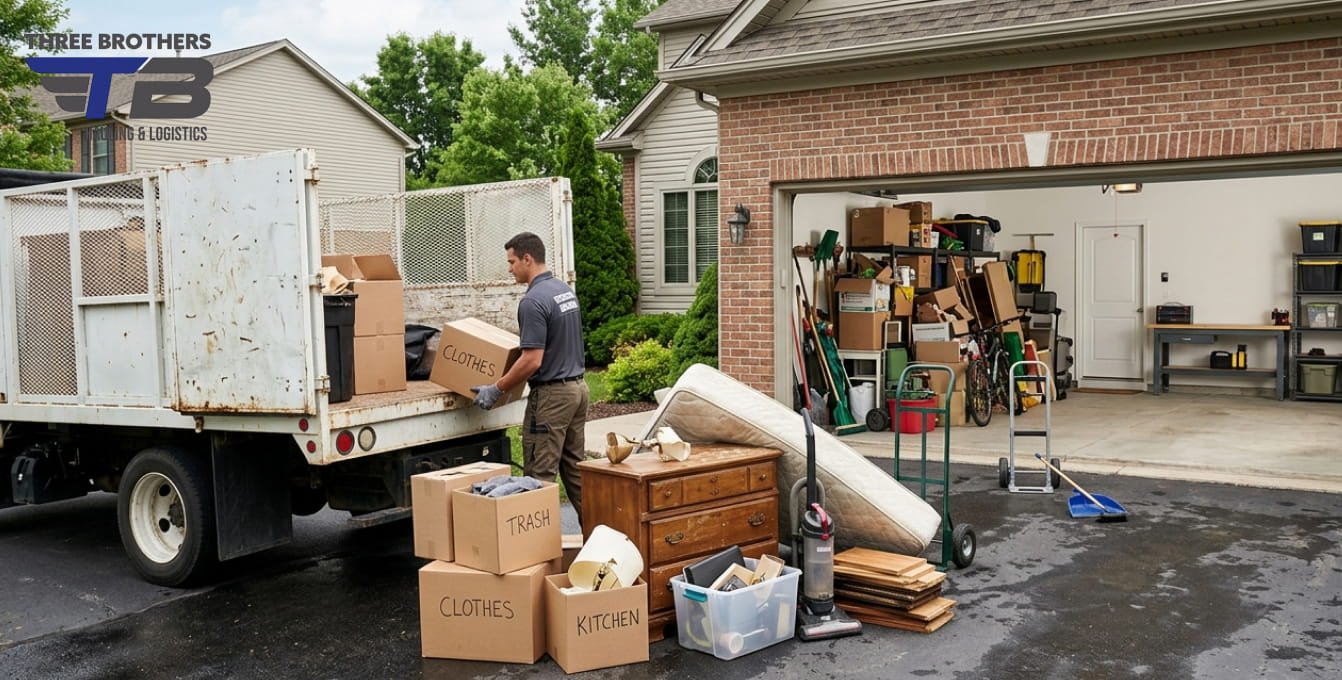
Bonus Tip: Moving all items to a driveway or front lawn before the hauler arrives can sometimes lead to a discount. This reduces the time the crew spends on the property and simplifies the loading process.
Common Questions About Junk Removal Prices
Do prices include disposal fees?
In most cases, the quote provided by a professional service includes the cost of labor, transportation, and the “tipping fee” charged by the landfill. However, always confirm this before work begins to avoid separate billing for weight-based fees.
Is there a difference between junk removal and dumpster rental?
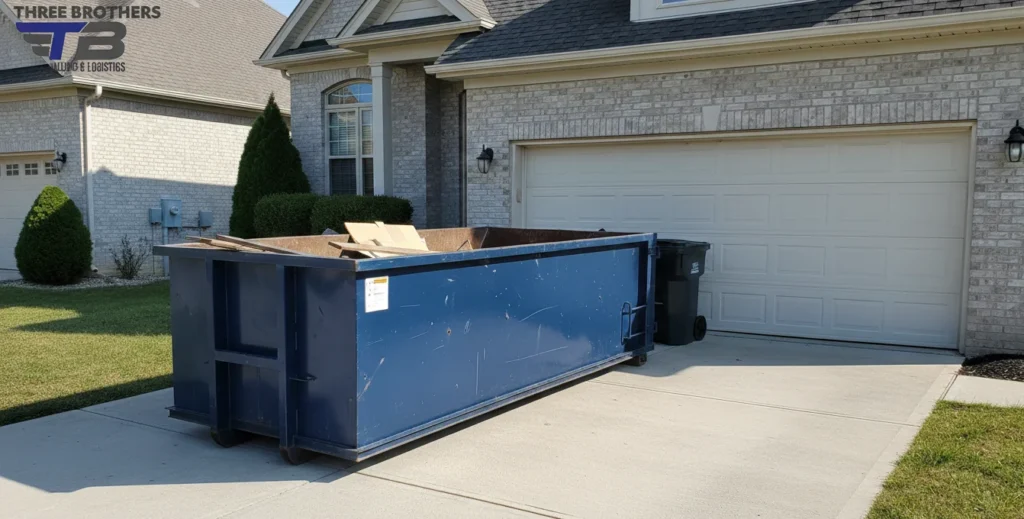
Junk removal is a full-service option where a crew does the heavy lifting and hauls the items away immediately. Dumpster rental involves a bin being dropped off for the customer to fill over several days. For small to medium projects, junk removal is often more cost-effective and saves the customer from physical labor.
Why is there a minimum fee?
Operating a large truck involves significant fixed costs, including insurance, maintenance, and the labor hours required for a crew to drive to the location. The minimum fee ensures these basic operational expenses are covered even for very small jobs.
Frequently Asked Questions
Can junk removal companies take old paint and chemicals?
Standard haulers typically do not accept hazardous waste. This includes items like liquid paint, motor oil, pesticides, and pressurized tanks. Most counties have dedicated household hazardous waste drop-off days for these materials.
Is it cheaper to hire an independent hauler?
While an uninsured individual might offer a lower price, this carries significant risks. Professional companies provide insurance coverage that protects the home from damage during the removal process. If an uninsured worker is injured on the property, the homeowner could be held liable.
How do haulers calculate the cost of “heavy debris”?
Heavy debris like dirt, rock, or concrete is usually sold by the “bed load.” Because of the weight limits of the truck’s hydraulic system and road legal limits, a truck can only be filled about a foot deep with these materials. The price is based on this maximum weight capacity rather than the total volume of the truck bed.
Do I need to be home for the removal?
Many companies offer curbside or driveway pickups where the owner does not need to be present. As long as the items are accessible and payment has been arranged, the crew can complete the job and provide a photo of the cleared space.
Are there extra charges for stairs or long carries?
Some companies apply a labor surcharge if the crew must carry heavy items down multiple flights of stairs or across a long distance from the house to the truck. It is best to mention these obstacles during the initial inquiry.
Final Thoughts on Junk Removal Costs
Managing the cost of junk removal requires an understanding of how volume and item types impact the bottom line. Most standard residential cleanouts stay within the $150 to $600 range, though specific needs like appliance recycling or heavy debris removal will adjust these figures. By organizing items in advance and choosing a licensed professional, property owners can ensure a predictable and efficient experience. Always request a clear breakdown of fees to ensure the quote includes labor, transport, and disposal.
Get Professional Hauling Assistance
Three Brothers Hauling & Logistics provides transparent pricing for all types of residential and commercial projects. For a clear junk hauling price estimate, contact Three Brothers Hauling & Logistics to discuss specific project details. The team is available to answer questions and provide logistical support at 919-559-2801 or via email at info@threebrothershl.com. Whether handling single items or large-scale cleanouts, Three Brothers Hauling & Logistics prioritizes efficiency and clear communication for every customer.
Sources
- Angi – Detailed guide on national averages and regional cost factors for junk removal services.
- HomeAdvisor – Comprehensive breakdown of typical homeowner spending on hauling and debris removal.
- Forbes Advisor – Analysis of specific item costs and the differences between full-service removal and DIY options.