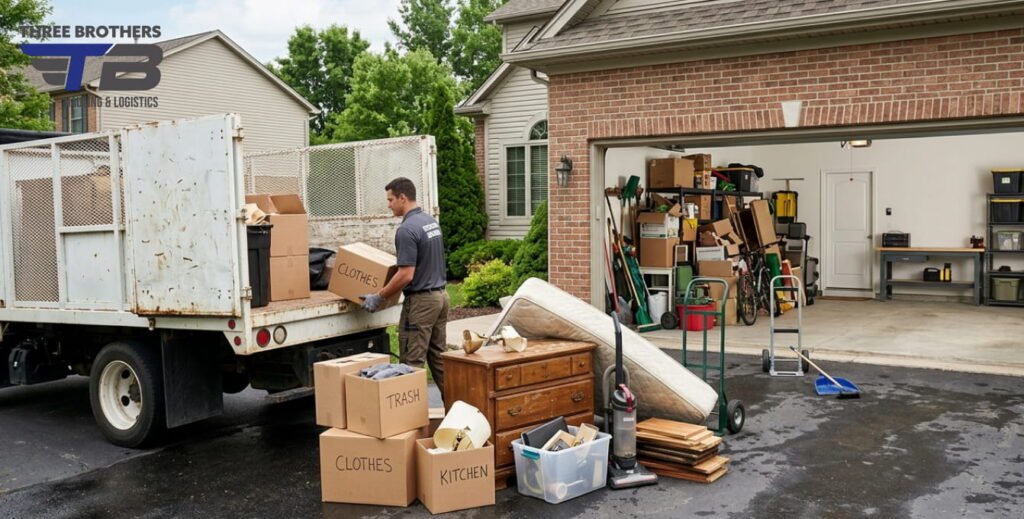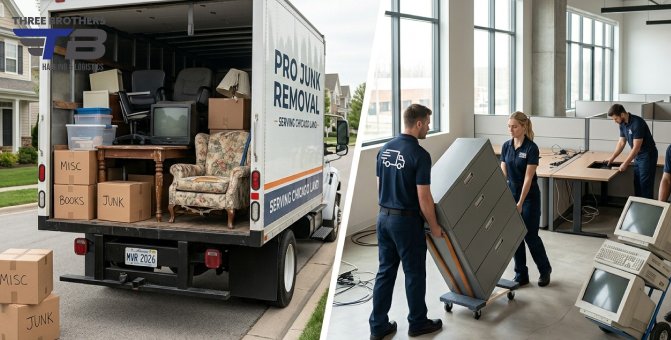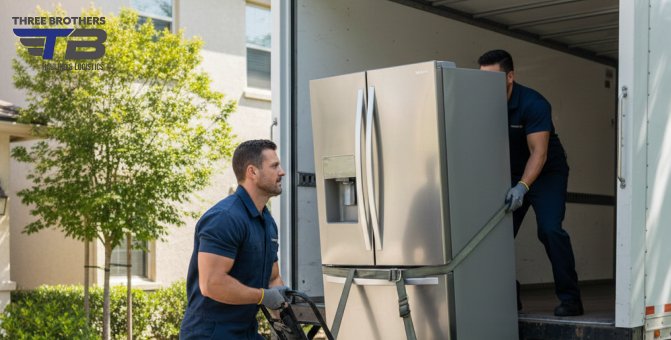
The average cost for junk removal typically ranges from $75 to $800. Most residential projects fall between $150 and $350 for a single load. If you have just one large item like a sofa or a refrigerator, you can expect to pay a minimum fee between $75 and $150. For larger projects, such as clearing out an entire house or a construction site, costs can exceed $1,000 depending on the volume and weight of the debris.
This guide provides a detailed breakdown of how companies calculate their rates and what factors influence your final bill. Understanding these pricing structures helps you plan your budget and avoid unexpected fees. This information comes from years of field experience and data shared by industry leaders. Three Brothers Hauling & Logistics provides this overview to help you make informed decisions about managing your unwanted items and debris.
Common Pricing Models for Junk Removal
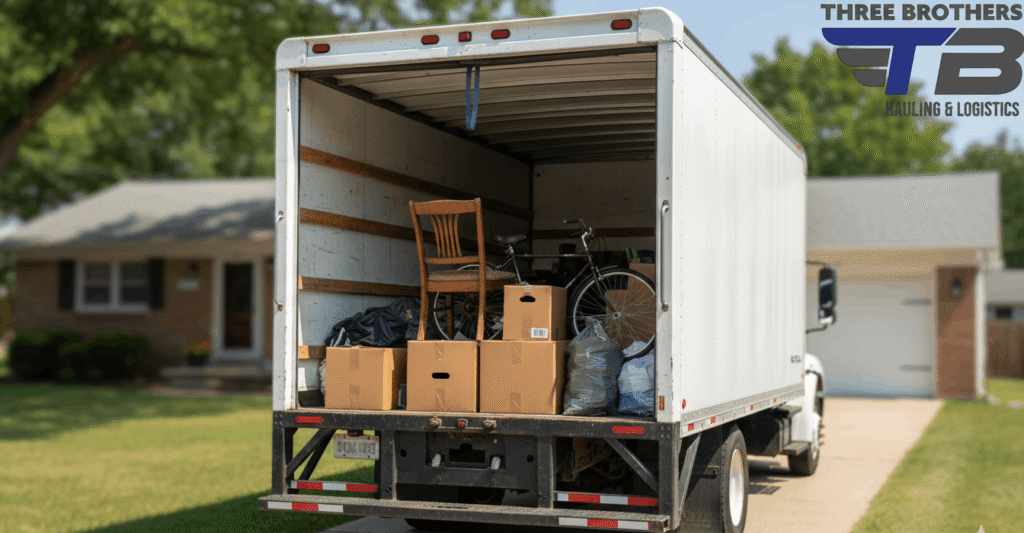
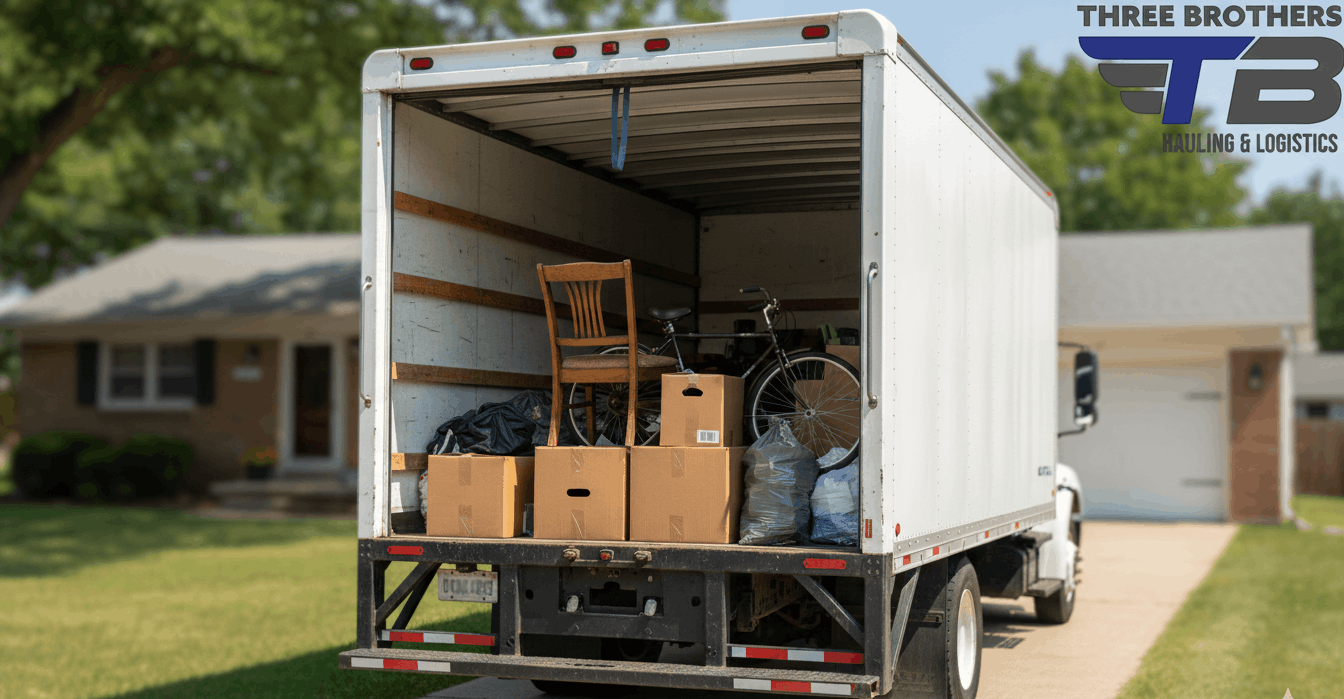
Most companies use a volume-based pricing model. This means you pay for the amount of space your items occupy in the truck. A standard junk removal truck is roughly 12 to 16 cubic yards, which is about the size of 6 to 7 large refrigerators.
Volume Based Rates
Companies generally offer tiered pricing based on whether you fill a quarter, half, or full truck. Data from HomeAdvisor shows that a full truckload typically costs between $400 and $800. This rate includes labor, transport, and standard disposal fees.
Single Item Minimums
If you only need to get rid of 1 or 2 items, companies charge a minimum pickup fee. This covers the cost of fuel and the time it takes for the crew to drive to your location. This fee usually stays consistent regardless of whether the item is a small chair or a large dresser, as the primary expense is the logistics of the trip itself.
Factors That Change Your Final Price
The total amount on your invoice depends on more than just the size of the truck. Several variables influence the effort and expense required to complete the job.
Weight of the Debris
Weight is often more important than volume for certain materials. If you are clearing out heavy items like concrete, dirt, brick, or roofing shingles, companies will charge by the bedload. A bedload is a smaller volume, usually only about 1 foot high in the truck bed, because the weight limit of the vehicle is reached quickly. Angi reports that heavy debris is often billed differently than standard household junk because of the strain on the vehicle and higher fees at the dump.
Labor and Accessibility
The time it takes to move items from your property to the truck affects the price. If the crew must navigate complex paths, such as long driveways or narrow hallways, the labor costs will rise. Items located in specialized areas like a crawlspace or an attic often require more time and safety precautions than items left in a standard room.
Bonus Tip: You can often save money by moving your items to the driveway or garage before the crew arrives. This reduces the labor time and can sometimes lower your total quote.
Location and Disposal Fees
Local dump fees vary significantly by city and state. Some regions have high “tipping fees,” which are the charges paid at the landfill or recycling center. These costs are passed directly to the customer. Additionally, if you live far outside a company’s standard service area, you may see a fuel surcharge on your bill.
Estimated Costs by Load Size
To help you visualize your potential expenses, the following table outlines common price ranges based on how much space your items take up.
| Load Size | Typical Price Range | Common Items Included |
|---|---|---|
| Minimum Load | $75 to $150 | A single appliance or small sofa |
| 1/4 Truck | $150 to $250 | A small closet cleanout or 4 to 5 large boxes |
| 1/2 Truck | $250 to $400 | Contents of a small bedroom or a large sectional sofa |
| 3/4 Truck | $400 to $600 | Multiple furniture pieces and several bags of trash |
| Full Truck | $600 to $800 | A large garage cleanout or a small apartment’s worth of items |
Costs for Specific Household Items
Some items have flat rates because they require special handling or have specific recycling requirements. According to cost data from Fixr, certain household goods come with predictable price tags.
- Mattress Removal: $75 to $150. Many states require mattresses to be recycled, which involves a specific fee at the processing plant.
- Refrigerator Disposal: $75 to $150. These contain refrigerants like Freon that must be safely drained by a certified professional.
- Television Sets: $60 to $125. Older CRT televisions contain lead and require specialized e-waste processing.
- Tires: $10 to $20 per tire. Landfills often charge extra for tires because they trap methane gas and can damage landfill liners.
Bonus Tip: If you have several small electronics, try to box them together. Some companies offer a better rate for a “bulk e-waste” box than they do for individual items.
Things to Consider Before Making a Decision
Before you hire a service, check a few key details to ensure you receive a fair price and reliable service.
First, ask about the company’s insurance. Junk removal involves moving heavy objects near your walls and floors. A professional service should have general liability insurance to cover any accidental damage to your property. Three Brothers Hauling & Logistics emphasizes that hiring insured professionals protects your home during the removal process.
Second, verify what they cannot take. Most standard junk removal services are not licensed to carry hazardous waste. This includes wet paint, motor oil, chemicals, or asbestos. Attempting to include these in a standard load can result in fines or the crew refusing the entire job.
Third, look for transparency in quoting. Avoid companies that refuse to give at least a rough estimate over the phone or via text. While a final price often requires an on-site look, a reputable business should be able to provide a base range for common items based on volume.
Common Questions About Junk Removal Prices
Why is there a minimum fee for just one item?
The minimum fee covers the operational costs of the business. This includes the driver’s wages, the cost of the truck, insurance, and the fuel used to reach your home. Even for a five-minute job, the business spends significant resources just to get the equipment to your door.
Do prices change on weekends?
Some companies charge a premium for Saturday or Sunday appointments due to higher demand and higher labor costs for staff working outside normal business hours. If you are on a tight budget, ask if weekday rates are lower.
Are there extra fees for stairs or long walks?
Yes, many companies add a surcharge if the items are difficult to access, such as being located on a third floor with no elevator. This is because it increases the risk of injury to the crew and extends the time the truck is parked at your site, preventing them from moving to the next job.
Expert FAQ
How can I get the most accurate quote?
The best way to get a precise estimate is to send photos of your items to the company. Show the items in their current location so the estimator can see the size and the path the crew will need to take to remove them.
Is junk removal cheaper than renting a dumpster?
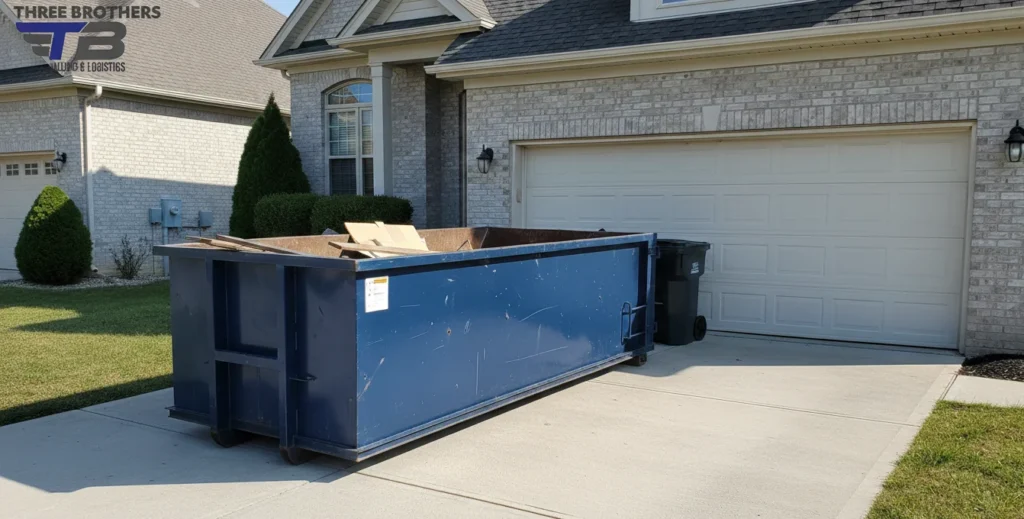
For small to medium amounts of junk, professional removal is often cheaper and easier. You only pay for the space you use, and the labor is included. A dumpster rental usually has a high flat fee regardless of how much you put in it, and you have to do all the heavy lifting yourself.
Does the price include recycling?
Most professional companies include sorting and recycling in their base price. They take items to various facilities to ensure as much as possible is diverted from the landfill. This is part of the standard service fee.
What happens to the items after they are picked up?
Items are typically sorted into three categories: donations, recycling, and trash. Goods in usable condition often go to local charities. Metals, paper, and certain plastics go to recycling centers, and the remaining debris goes to the local landfill.
Summary of Junk Removal Costs
Calculating the cost of junk removal involves looking at volume, weight, and the type of items you need to discard. Most people spend between $150 and $350 for a standard pickup. You should expect higher rates for heavy materials like concrete or specialized items like refrigerators that require extra care. Always look for a service that provides clear pricing and has the proper insurance to work on your property. By organizing your items and moving them to an accessible area, you can maximize the value of the service. Evaluate your specific volume of junk and your physical ability to move it before deciding between a full-service team or a DIY disposal method.
Contact Three Brothers Hauling & Logistics
When you are ready to clear your space, Three Brothers Hauling & Logistics is available to help. You can reach the team by calling 919-559-2801 or by sending an email to info@threebrothershl.com to discuss your project needs. The team provides straightforward service and clear communication for all types of residential and commercial debris management.
Sources
- HomeAdvisor – A comprehensive guide on national average costs for various junk removal load sizes.
- Angi – Detailed breakdown of how labor, weight, and location impact the final price of hauling services.
- Fixr – Provides specific cost data for individual household items and specialized debris removal.