Clearing a property of significant clutter requires a systematic three-phase approach consisting of logistical planning, categorized sorting, and efficient disposal. Success hinges on securing the necessary waste containers or hauling services before the physical labor begins, then processing each room individually to avoid becoming overwhelmed. By dividing items into keep, donate, sell, and trash categories, homeowners can reduce the volume of junk while ensuring that useful goods do not end up in landfills.
This guide provides a comprehensive roadmap for managing large-scale cleanouts with professional efficiency. Drawing on extensive experience in debris management and property logistics, the following sections outline how to manage a massive cleanup project without losing momentum.
Establishing a Logistic Plan
Before moving a single box, a clear strategy is required to handle the sheer volume of material. A house full of junk often contains hundreds of pounds of waste that typical curbside pickup cannot accommodate. According to data from the U.S. Environmental Protection Agency, the average person generates over four pounds of trash every day, meaning a house neglected for years may contain several tons of debris.
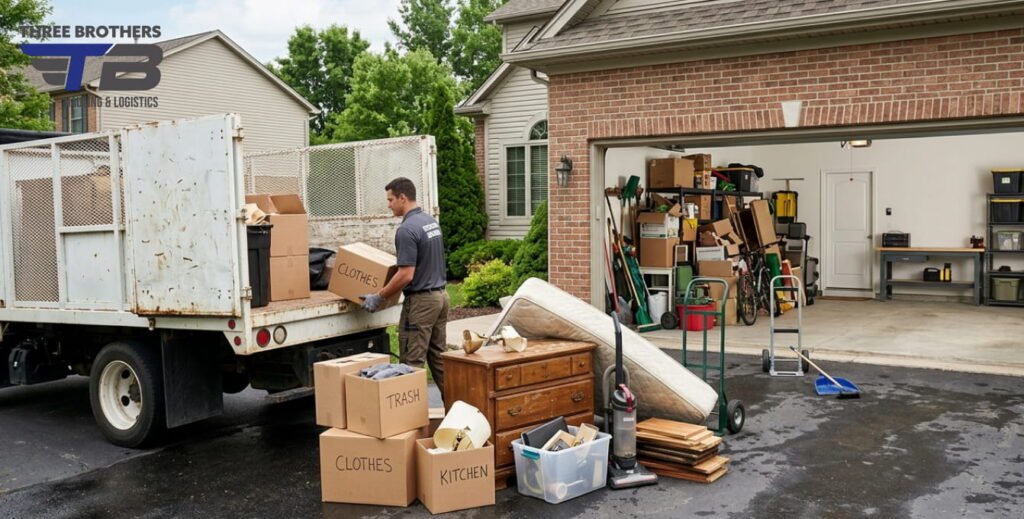
Begin by setting a firm timeline. Attempting to clear an entire home in one day often leads to exhaustion and poor decision-making. Instead, schedule the cleanup over several weekends or a full week. During this phase, identify a staging area outside the home, such as a driveway or garage, where items can be sorted before their final departure.
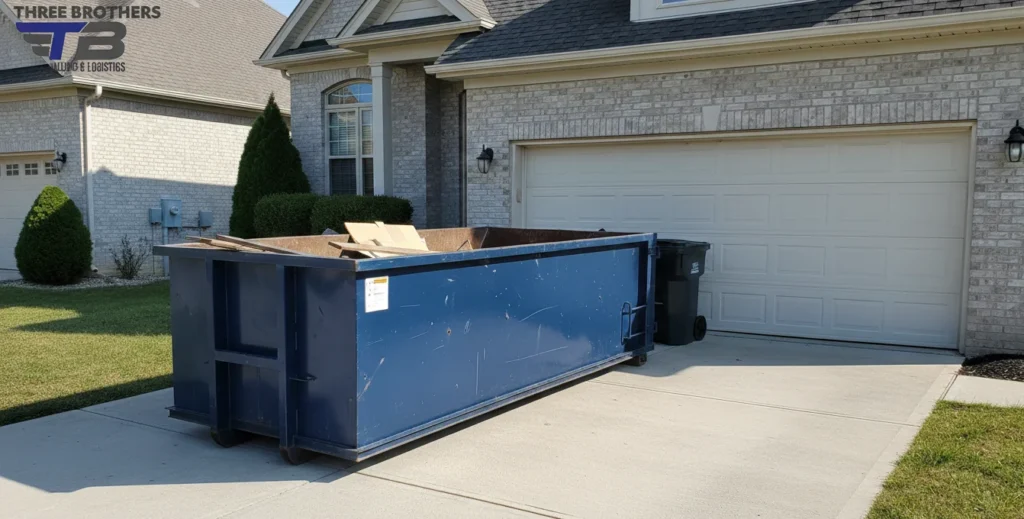
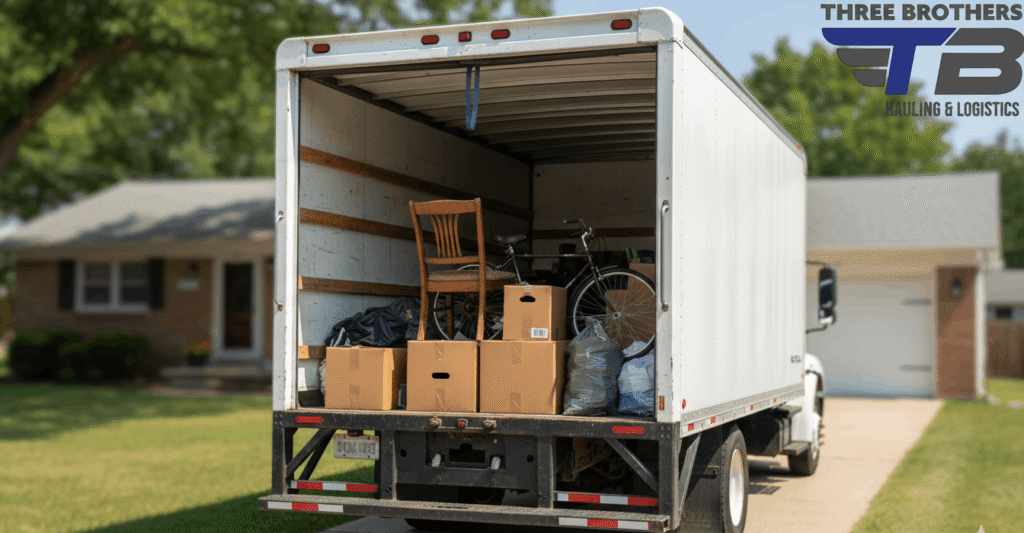
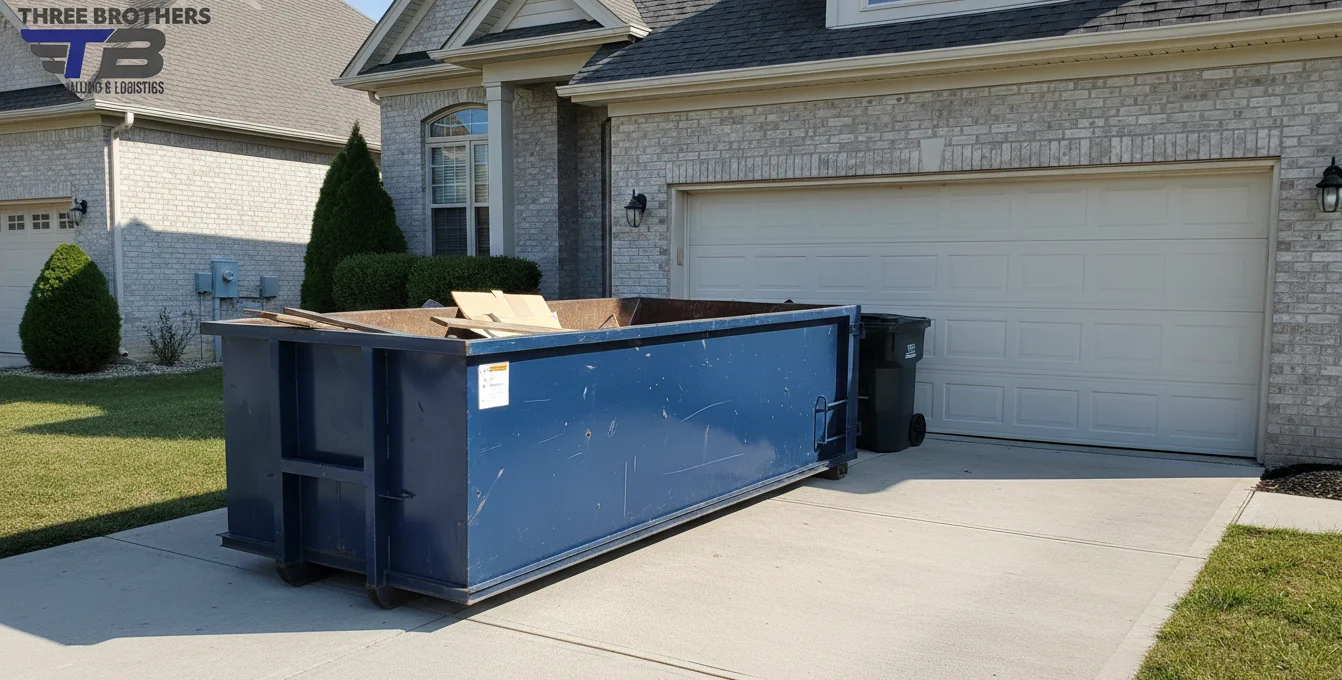
Secure disposal equipment early. Depending on the volume, this might involve renting a roll-off dumpster or scheduling a professional hauling service. Waiting until the house is half empty to figure out where the trash goes creates bottlenecks that halt progress.
Sorting with the Four Box Method
Efficient cleaning relies on a strict categorization system. This prevents the common mistake of simply moving piles from one room to another. Use four large boxes or designated zones in each room to keep the process moving.
- Keep: Only items that have a specific, immediate use or deep sentimental value.
- Donate: Functional items like clothes, furniture, and kitchenware that others can use.
- Sell: High-value items that justify the time required to list and meet buyers.
- Trash: Broken, stained, or unusable items, along with general debris.
Bonus Tip: When dealing with high volumes of paperwork, do not stop to read every page. Check for sensitive information, then place papers into a shredding bin or a recycling box immediately.
Comparing Disposal Options
Choosing the right method for removing items from the property affects both the budget and the speed of the project. Each method has specific advantages depending on the type of junk being handled.
| Method | Best For | Pros | Cons |
|---|---|---|---|
| Dumpster Rental | Large amounts of heavy debris | Work at your own pace; holds high volume | Requires space for the bin; DIY loading |
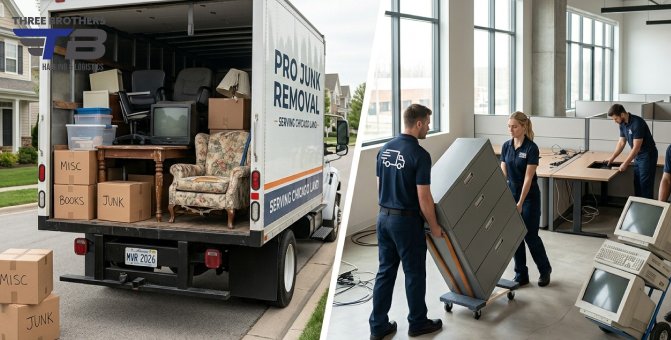
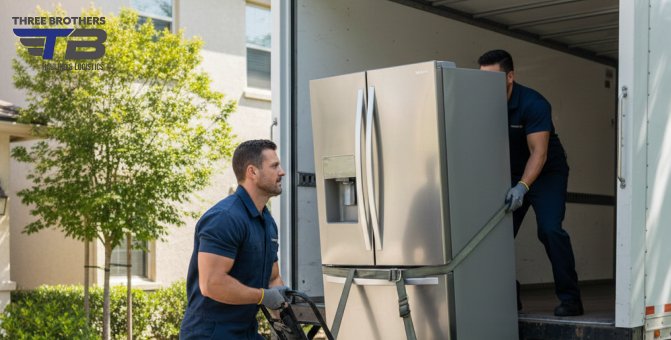
| Professional Hauling | Furniture, appliances, and mixed junk | No heavy lifting; fast removal | Higher cost for labor; requires scheduling |
| Self-Hauling | Small amounts of sorted waste | Lowest cost; immediate disposal | Requires a truck and physical labor |
| Donation Pickup | Gently used furniture and clothing | Tax receipts; supports charity | Strict rules on item condition; slow |
Managing Hazardous Materials and Electronics
Not everything can go into a standard trash bin. Local regulations often prohibit the disposal of paints, chemicals, batteries, and electronics in general waste streams. The Consumer Technology Association reports that electronics recycling programs are expanding, yet many people still struggle with where to take “e-waste.”
Identify a local hazardous waste collection site before starting the cleanup. Keep a separate bin for old laptops, televisions, paint cans, and cleaning chemicals. Disposing of these items correctly prevents environmental contamination and avoids potential fines from waste management authorities.
Bonus Tip: If a container is missing a label and the contents are unknown, treat it as hazardous. Never mix unknown chemicals in the same bag or box, as this can cause dangerous reactions.
Decision Factors for Large-Scale Cleanouts
Deciding how to approach a house full of junk removal depends on several practical variables. Before committing to a specific path, consider these points:
- Volume and Weight: A house full of old books and magazines is significantly heavier and harder to move than a house full of empty boxes.
- Physical Capability: Large-scale cleanouts are physically demanding. Evaluate whether the people involved can safely lift furniture and navigate stairs repeatedly.
- Time Constraints: If a property must be cleared for a real estate closing, speed is the priority, which may favor professional services over a DIY approach.
- Item Condition: If most items are in good shape, more time will be spent coordinating donations and sales. If the items are mostly damaged by moisture or pests, the focus shifts entirely to disposal.
Addressing Common Questions
Many people find themselves paralyzed by the emotional weight of a cleanout. One common question involves how to handle items belonging to a loved one. The most effective approach is to set a limit on “memory boxes.” Allow for a specific number of bins for sentimental items. Once those bins are full, subsequent items must pass a much stricter test for keeping.
Another frequent concern is what to do with “maybe” items. If an item has not been used in over a year and does not serve a functional purpose, it belongs in the donate or trash pile. A report by the National Association of Productivity and Organizing Professionals indicates that many people keep items because of “aspirational clutter”—things for a hobby they never actually started. Recognizing this helps in letting go of unnecessary objects.
Effective Removal Strategies
Three Brothers Hauling & Logistics suggests that the best way to maintain momentum is to clear the hallways and entry points first. This creates a clear path for moving larger items later and immediately makes the house feel more spacious.
Once the paths are clear, move to the smallest room, such as a bathroom or a pantry. Completing a small room quickly provides a sense of accomplishment that fuels the energy needed for larger areas like the basement or attic. For those larger areas, work in sections. Divide a large basement into a grid and finish one square before moving to the next.
Common Household Cleanout Questions
How do I handle a house with a pest infestation?
If the junk has attracted rodents or insects, safety becomes the priority. Wear protective gear including N95 masks, gloves, and long sleeves. Items contaminated by pests are generally not fit for donation and should be bagged and disposed of immediately to prevent the spread of the infestation.
What is the fastest way to get rid of furniture?
If the furniture is in good condition, listing it for “free” on online marketplaces often results in same-day pickup by neighbors. For furniture that is broken or stained, a hauling service or a large roll-off dumpster is the most efficient solution.
Can I recycle old carpeting and padding?
Many municipal recycling programs do not accept carpet. However, specialized facilities exist. Check with local waste authorities to see if there are specific drop-off days for bulky flooring materials, as these take up significant space in dumpsters.
How do I manage a cleanout from a long distance?
Managing a project from another city requires heavy reliance on professional services. Coordinate with a local hauling company that can provide photo updates of the progress. You may also need to hire a locksmith or provide a digital key code for service providers to access the property.
Professional Advice for Property Owners
A house cleanout is a logistical challenge that requires a balance of physical effort and organizational discipline. By prioritizing the removal of trash first, the remaining items become easier to sort and value. Always verify the disposal rules in your specific municipality, especially regarding bulky items and appliances containing refrigerants. Evaluate your resources honestly. If the scope of the project exceeds your available time or physical ability, seeking professional assistance can prevent the project from stalling. Focus on the end goal of a clear, functional space to keep the process moving forward.
Assistance with Large-Scale Removal
Managing a property transition or a major decluttering project often requires more than just a pair of hands. Three Brothers Hauling & Logistics provides the equipment and labor necessary to clear spaces efficiently and safely. For those in need of reliable hauling services, contact Three Brothers Hauling & Logistics at 919-559-2801 or via email at info@threebrothershl.com to discuss project requirements. Whether it is a single room or an entire estate, professional support ensures the debris is handled correctly and the property is returned to a manageable state.
Sources
- U.S. Environmental Protection Agency – Federal agency providing data on municipal solid waste and disposal regulations.
- National Association of Productivity and Organizing Professionals – Professional association offering research and statistics on clutter and organization.
- Consumer Technology Association – Industry group providing information on electronics recycling and waste management.