Hiring a junk removal service involves more than just clearing clutter; it requires ensuring your property and finances are protected. While many operators claim to be insured, the most reliable method to verify this is by requesting a Certificate of Insurance (COI). This document serves as definitive proof of coverage limits, policy numbers, and active status. Relying on verbal assurances is risky, and verifying the authenticity of a COI with the issuing agent is a crucial step in safeguarding yourself against liability.
Bringing a hauling service onto your property means heavy trucks and crew members will be moving bulky items through your space. If an accident occurs and the service provider lacks coverage, homeowners often face liability for property damage or injuries. Experience in the logistics industry demonstrates that a lack of transparency regarding insurance often signals inadequate coverage. This guide outlines exactly how to verify protection to prevent financial risk.
Understanding the Risks of Uninsured Haulers
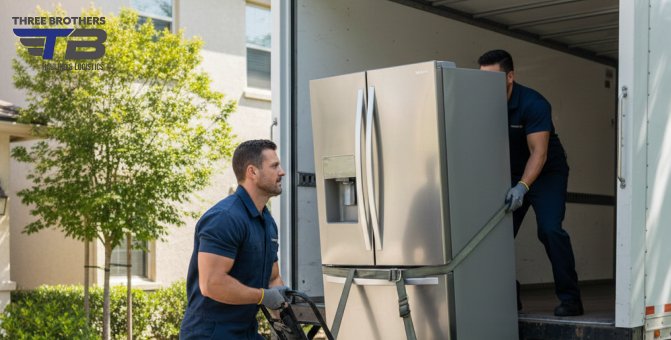
Many homeowners assume their personal property insurance covers accidents caused by contractors. This is often incorrect. If a junk removal worker slips and falls while carrying a refrigerator down your stairs, you could be liable for their medical bills and lost wages if the company lacks Workers’ Compensation.
Similarly, if a truck backs into your garage door or a heavy item gouges your hardwood floors, a company without General Liability insurance may simply refuse to pay. Taking a contractor to small claims court is time-consuming and does not guarantee payment even if you win.
The Financial Impact of Negligence
Failing to verify insurance is a costly oversight. According to a study by Hiscox, the average cost of a small business liability claim for property damage is $30,000. For a homeowner, absorbing such a cost because a hired service was uninsured can be financially devastating.
Essential Insurance Policies to Look For
Not all insurance is equal. A professional junk removal company needs specific types of coverage to fully protect the client. When reviewing a Certificate of Insurance, look for these three specific policies.
General Liability Insurance
This is the baseline protection for any legitimate business. It covers damage to your property caused by the crew. If they scratch your walls, break a window, or damage your driveway with a dumpster, this policy pays for the repairs.
Workers’ Compensation
This is arguably the most critical coverage for your protection. General Liability covers things; Workers’ Compensation covers people. If a crew member gets hurt on your property, this insurance covers their medical expenses. Without it, the injured worker can sue you, the property owner, for damages.
Commercial Auto Insurance
Personal auto policies generally exclude accidents that happen while using a vehicle for business purposes. A legitimate hauler must have a commercial auto policy. This covers damage if their truck hits your vehicle, your neighbor’s car, or your mailbox. Data from the Insurance Information Institute indicates that commercial vehicle accidents often involve higher liability limits due to the size and weight of the trucks involved.
Step-by-Step Verification Process
Simply asking “Are you insured?” is not enough. Unlicensed operators often say “yes” because they have personal car insurance, which offers you no protection. Follow this process to get proof.
Request the Certificate of Insurance
Ask the company to email or text you a copy of their COI. A professional company will have this ready and can send it immediately. If they hesitate or make excuses, treat it as a red flag.
Check the Policy Dates
Review the “Effective Date” and “Expiration Date” columns on the certificate. Ensure the current date falls within this range. A policy that expired last week offers zero protection today.
Bonus Tip: Look closely at the “Insured” name on the certificate. It must match the name of the company or the specific LLC you are hiring. If the names do not match, the policy might belong to a different entity.
Verify with the Agent
The bottom left or top right of the COI usually lists the insurance producer or agent. Call the number provided. State that you are a prospective client and want to verify that the policy number listed is active. Policies can be canceled mid-term for non-payment, so a piece of paper alone is not proof of current coverage.
Comparing Professional Services vs. “Man with a Truck”
Understanding the difference between a fully insured logistics operation and a casual hauler helps justify the price difference. The following table breaks down what protection you receive with each option.
| Feature | Professional Insured Service | “Man with a Truck” / Gig Worker |
| Property Damage Coverage | Covered by General Liability (typically $1M+) | Out of pocket or homeowner’s policy |
| Worker Injury Liability | Covered by Workers’ Compensation | Homeowner likely liable |
| Vehicle Accidents | Commercial Auto Policy | Personal policy (likely denies claim) |
| Background Checks | Standard for employees | Unknown |
| Recourse for Issues | Formal claims process | Civil court / Small claims |
Things to Consider Before Making a Decision
Before scheduling a pickup, weigh the total cost against the potential risks.
Price vs. Protection
Insured companies have higher overhead costs because they pay premiums to protect their clients. If a quote is significantly lower than the market average, the provider is likely cutting corners on insurance, proper disposal fees, or labor costs. Saving $50 on the removal fee is not worth risking a $5,000 lawsuit.
Reputation and Reviews
Online reviews often mention how a company handled accidents. Accidents happen even to the best companies. The difference lies in the response. Look for reviews where the company took responsibility and fixed an issue. This indicates their insurance is real and they use it when necessary.
Equipment Condition
When the truck arrives, look at its condition. A well-maintained commercial vehicle usually belongs to a company that maintains its paperwork. A beat-up pickup truck with no markings often suggests a lack of commercial licensing and insurance.
Bonus Tip: Ask the crew leader upon arrival if they are permanent employees or day laborers. Day laborers are rarely covered under a company’s insurance policy, leaving a gap in coverage if they get injured.
Common Questions About Insurance Claims
Homeowners often have misconceptions about terminology regarding contractor credentials.
“Does a business license mean they are insured?”
No. A business license is a tax registration with the city or county. It has nothing to do with liability coverage. You can be licensed but completely uninsured.
“What does ‘Bonded’ mean?”
Being bonded protects you against theft or failure to complete the job. It does not cover physical injury or property damage. While being bonded is a good sign of professionalism, it is not a substitute for liability insurance.
“Can I trust the logo on the website?”
Digital badges saying “Insured” are easy to copy and paste. Never rely on a website graphic. Always demand the official certificate directly from the provider.
Frequently Asked Questions
Does my homeowner’s insurance cover damage caused by a junk removal service?
Your homeowner’s policy is generally a secondary coverage. It might cover damage, but you would still have to pay your deductible, and your premiums could increase. The service provider’s General Liability insurance should always be the primary payer for damages they cause.
How much insurance coverage should a junk removal company have?
A reputable junk removal service typically carries at least $1,000,000 in General Liability coverage. This amount is standard in the industry and is usually sufficient to cover significant damage to residential or commercial property.
What should I do if a hauler damages my property?
Document the damage immediately with photos and video. Notify the crew leader before they leave the premises. Contact the company’s main office to file a formal complaint and request their insurance information to file a claim directly with their provider.
Can I look up a company’s insurance status online?
Some states allow you to verify Workers’ Compensation coverage through a state board website. However, General Liability and Commercial Auto policies are private contracts. You cannot look them up in a public database, which is why requesting the COI is necessary.
Summary
Verifying insurance coverage protects your home and finances from unexpected disasters. Requesting a Certificate of Insurance, checking the dates, and confirming the policy with the agent takes only a few minutes. This simple due diligence ensures that the company handling your heavy lifting is responsible and prepared for any outcome. Always prioritize safety and accountability over the lowest possible price.
Getting Professional Help
For reliable service that prioritizes property safety and full compliance, contact Three Brothers Hauling & Logistics. The team maintains comprehensive insurance coverage to ensure every job is completed without risk to the client.
Phone: 919-559-2801
Email:info@threebrothershl.com
Sources
- Hiscox – A report detailing the costs and risks associated with small business liability claims.
- Insurance Information Institute – Information regarding commercial auto insurance requirements and accident statistics.